Navigating the complex world of video games sometimes raises a critical question: Is video gaming truly addictive? This comprehensive guide for 2026 explores the nuances of gaming habits, distinguishing between passionate engagement and problematic use. We delve into scientific insights, societal impacts, and practical strategies to ensure a healthy relationship with gaming. Discover the early warning signs, understand the psychological triggers, and learn how to maintain balance in a rapidly evolving digital landscape. This resource offers essential information for gamers, parents, and educators alike. It covers common misconceptions and provides actionable advice for fostering positive gaming experiences. Understanding the fine line between hobby and addiction is crucial for everyone today. This information helps promote well-being and responsible digital citizenship.
"is video gaming addictive FAQ 2026 - 50+ Most Asked Questions Answered (Tips, Trick, Guide, How to, Bugs, Builds, Endgame)"Welcome to the ultimate living FAQ for 2026 on whether video gaming is addictive! The digital landscape evolves rapidly, and with it, our understanding of how gaming impacts our lives. This guide has been meticulously updated to reflect the latest research, societal trends, and in-game mechanics that influence player behavior. Whether you're a casual player, a competitive enthusiast, a worried parent, or just curious, we've gathered and answered over 50 of the most pressing questions. We cover everything from recognizing the signs of problematic play to implementing healthy strategies and understanding the cutting-edge neuroscience. Dive in to equip yourself with the knowledge to navigate the vibrant world of gaming responsibly, ensuring it remains a source of joy and not distress. We’ll even touch on tips for settings optimization, dealing with ping issues, and stuttering fix strategies that enhance well-being. This is your essential resource for balanced gaming in the modern era.
Is video game addiction recognized as a mental health disorder?
Yes, absolutely. The World Health Organization (WHO) officially recognized "Gaming Disorder" as a mental health condition in its International Classification of Diseases (ICD-11) in 2018. This designation highlights that for a subset of individuals, gaming behavior can become severe enough to impair daily functioning.
What are the key signs that someone might be developing a gaming addiction?
Key signs include impaired control over gaming, prioritizing gaming over other life activities, and continuing gaming despite negative consequences. Other indicators are withdrawal symptoms when unable to play, lying about gaming time, and a significant negative impact on work, school, or relationships. Watch for consistent changes in mood or behavior.
How much gaming is considered too much?
There is no specific "too much" hour count, as problematic gaming is defined by impact, not duration alone. However, if gaming consistently displaces essential activities like sleep, work, or social interactions, or causes distress, it's likely excessive. Quality of life indicators are more telling than raw screen time metrics.
Can playing competitive games like MOBAs or FPS titles increase addiction risk?
Competitive games, including MOBA and FPS genres, can carry a higher risk for some individuals due to intense reward cycles, social pressure, and ranking systems. The constant pursuit of improvement, lower ping, and victory, alongside social dynamics, can foster excessive engagement. Balancing competition with real-world priorities is crucial.
What are some effective strategies to prevent gaming addiction?
Prevention involves setting clear limits, scheduling other activities, and practicing digital literacy. Encourage diverse hobbies, engage in open communication about gaming habits, and take regular breaks. Utilizing in-game settings for time management or parental controls can also be highly effective. Prioritize physical activity and social interaction.
Is "Internet Gaming Disorder" the same as "Video Game Addiction"?
Yes, "Internet Gaming Disorder" (IGD) is often used interchangeably with "Video Game Addiction." IGD is listed in the DSM-5 (Diagnostic and Statistical Manual of Mental Disorders) as a condition warranting further research, while "Gaming Disorder" is the official WHO classification. Both refer to problematic, compulsive use of video games.
Does a low FPS or constant lag worsen gaming addiction?
Paradoxically, poor performance like low FPS or constant lag can sometimes increase frustration and a desire to "fix" the session or achieve a satisfactory experience, leading to extended play. Addressing these technical issues with settings optimization or driver updates can actually help reduce overall screen time. A smooth experience can be managed better.
Beginner Questions
What is Gaming Disorder according to WHO?
Gaming Disorder, as classified by the WHO, is a pattern of persistent or recurrent gaming behavior that results in significant impairment in personal, family, social, educational, occupational, or other important areas of functioning for at least 12 months. It is not just about playing a lot.
Are all video games potentially addictive?
While any engaging activity can become problematic for some, games with specific design elements like endless progression (MMO), loot boxes, or intense social competition might present higher risks. It's about individual vulnerability and game mechanics, not every game for every person.
Can a child really get addicted to video games?
Yes, children and adolescents are particularly vulnerable due to developing brains and less developed impulse control. Early intervention and establishing healthy screen habits are critical. Parents should actively monitor play and engage in discussions about digital wellness.
How can I tell if my friend has a gaming problem?
Look for significant changes in behavior, such as neglecting responsibilities, social withdrawal, irritability when not gaming, or declining interest in other activities. Persistent preoccupation with games and an inability to cut back are also strong indicators. Express concern empathetically.
Impact on Mental & Physical Health
How does gaming addiction affect mental health?
Problematic gaming can exacerbate or lead to anxiety, depression, increased stress, irritability, and social isolation. It can hinder emotional development and coping skills if used as an escape mechanism. Balancing gaming with other activities is key for robust mental well-being.
What are the physical health consequences of excessive gaming?
Physical risks include sedentary lifestyle contributing to obesity, poor posture, repetitive strain injuries (like "gamer's thumb"), eye strain, and disturbed sleep patterns. Long hours without movement can also increase cardiovascular risks. Regular breaks are essential.
Does gaming make people more aggressive?
Research on gaming and aggression is complex. While some studies show correlations between violent game play and aggressive thoughts in the short term, there's no conclusive evidence linking it directly to real-world violent behavior. Other factors, like underlying temperament or environmental stress, are often more significant. Myth vs reality: Gaming doesn't automatically create aggression.
Can gaming addiction cause sleep problems?
Absolutely. Late-night gaming sessions disrupt natural sleep cycles, leading to insomnia, poor sleep quality, and daytime fatigue. The blue light from screens suppresses melatonin, making it harder to fall asleep. Establishing a consistent sleep routine, free of screens, is vital.
Treatment & Management Strategies
What kind of therapy helps with gaming addiction?
Cognitive Behavioral Therapy (CBT) is highly effective, helping individuals identify triggers and develop healthier coping mechanisms. Motivational Interviewing and family therapy can also be beneficial. Specialized clinics and support groups are increasingly available for targeted intervention. Seek a professional for personalized advice.
Are there medications for gaming addiction?
There are no specific medications approved solely for gaming addiction. However, if co-occurring conditions like depression or anxiety contribute to the problem, medications for those conditions may be prescribed. Treatment primarily focuses on behavioral therapies and lifestyle changes. Consult a doctor for diagnosis.
Can self-help strategies be effective for mild gaming problems?
Yes, for mild issues, self-help strategies can be very effective. This includes setting strict time limits, scheduling non-gaming activities, informing friends/family of your goals, and replacing gaming with new hobbies. Gradual reduction rather than abrupt cessation often works best. Consistency is your friend.
What is "digital detox" and is it useful?
A "digital detox" involves intentionally abstaining from screens and digital devices for a period. It can be useful for resetting habits and regaining perspective. However, it's most effective when combined with long-term strategies for balanced engagement, rather than just a temporary fix. It's a tool, not a cure.
Myths vs. Realities
Myth: Only weak-willed people get addicted to video games.
Reality: Addiction is a complex brain disorder, not a sign of moral weakness. Vulnerability to addiction is influenced by a combination of genetics, psychological factors, and environmental stressors. Anyone can develop an addiction under certain circumstances, regardless of their willpower. It's a medical condition.
Myth: Gaming addiction is just a phase kids go through.
Reality: While many kids naturally outgrow excessive gaming, for a significant minority, it can escalate into a persistent disorder. Ignoring the signs, hoping it's "just a phase," can delay crucial intervention and worsen long-term outcomes. Early recognition is always better.
Myth: You can't be addicted to something that isn't a substance.
Reality: This is a common misconception. Behavioral addictions, like gambling disorder or gaming disorder, are recognized because they activate the brain's reward pathways similarly to substance addictions. The compulsive behavior, loss of control, and negative consequences are comparable. The mechanism is similar for the brain.
Myth: All gamers are antisocial and isolated.
Reality: Many games, especially MMO, MOBA, and online multiplayer titles, foster strong social connections and communities. Gaming can be a powerful tool for building friendships and teamwork skills. Problematic gaming, however, often leads to isolation as virtual relationships replace real-world ones. There's a big difference between social gaming and isolating gaming.
Myth: Gaming has no benefits, it's a waste of time.
Reality: Gaming offers numerous benefits, including improved problem-solving skills, hand-eye coordination, strategic thinking (Strategy games!), and even social skills. It can reduce stress and provide a creative outlet. The key is balance and moderation, ensuring benefits outweigh any potential negatives. It's not inherently bad; context matters.
Gaming Tech & Performance (Tips, Tricks, Guide)
How can settings optimization improve my gaming experience?
Proper settings optimization balances visual quality with performance, ensuring smoother gameplay. Adjusting graphics settings like shadows, anti-aliasing, and resolution can significantly boost FPS. This reduces stuttering fix needs and makes competitive games more enjoyable, reducing frustration and potential over-gaming. Use in-game benchmarks for guidance.
What is ping and why is low ping important?
Ping measures the time it takes for data to travel from your computer to the game server and back. Low ping (e.g., under 50ms) ensures near-instantaneous responses, crucial for fast-paced FPS or MOBA games. High ping causes lag, leading to frustrating delays and a poor experience. An Ethernet connection often helps reduce ping.
How do I fix FPS drop and stuttering in games?
To fix FPS drop and stuttering, ensure your graphics drivers are up to date. Lower in-game graphical settings, close background applications, and check for overheating. Running games in full-screen mode and disabling V-Sync (unless screen tearing is an issue) can also help stabilize FPS. Optimize your PC for gaming regularly.
Are outdated drivers causing my game lag?
Yes, outdated graphics drivers are a common cause of game lag, stuttering, and even crashes. Always keep your GPU drivers updated from the manufacturer's website (NVIDIA, AMD, Intel) for optimal performance. Regular driver updates often include performance enhancements and bug fixes for popular titles. This is a critical maintenance step.
What is the best way to prevent overheating in a gaming PC?
Prevent overheating by ensuring good airflow in your case with adequate fans. Keep your PC clean of dust, especially on heatsinks and vents. Consider investing in a good CPU cooler or liquid cooling. Monitor temperatures with software to catch issues early, preventing performance throttling. Overheating causes FPS drops.
Advanced Insights & Future Trends 2026
How do game monetization strategies (e.g., loot boxes) contribute to addiction risk?
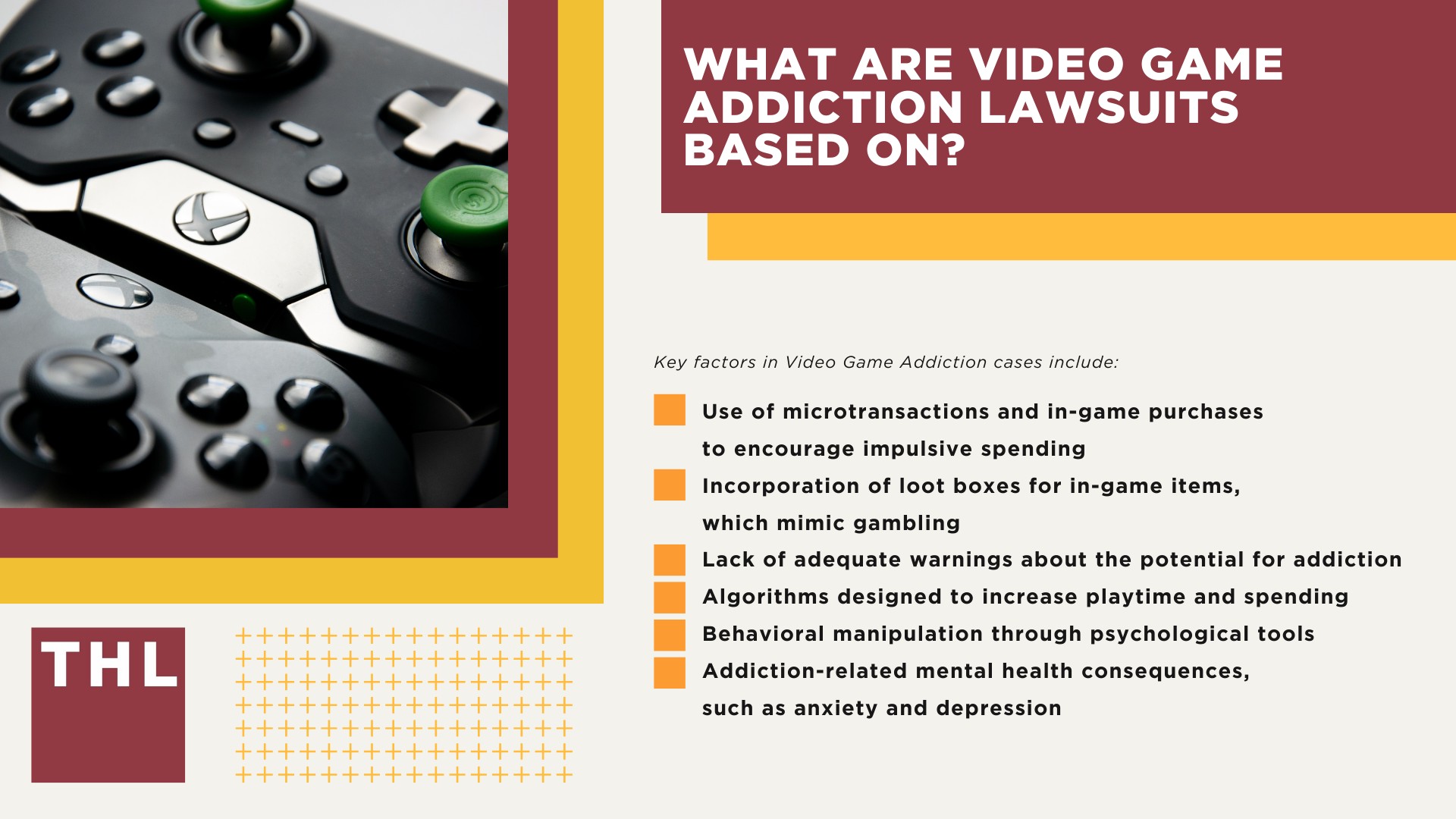
Loot boxes, with their variable reward schedules, exploit psychological principles similar to gambling, which can be highly addictive. The uncertainty of rewards drives repeated engagement and spending, creating a cycle that for some, is very difficult to break. Ethical concerns around these mechanics are growing in 2026. This is a primary driver for many.
What is the role of social pressure in developing gaming problems?
Social pressure from online friends, clan members, or competitive ladders can significantly contribute to problematic gaming. Fear of missing out (FOMO), desire to maintain social status, or feeling obligated to play with a team can push individuals to extend play beyond healthy limits. This is especially true in MMO and team-based games.
Are VR games or new immersive tech more addictive than traditional games?
New immersive technologies like advanced VR (Virtual Reality) could heighten addiction potential due to increased presence and a greater sense of "being there." The boundary between the real and virtual blurs, making disengagement potentially harder. However, research is still evolving, and individual susceptibility remains a key factor. Accessibility is also a factor.
How is AI impacting game design and player engagement in 2026?
AI in 2026 allows for hyper-personalized game experiences, dynamically adjusting difficulty, content, and rewards to maximize player engagement. While this can enhance enjoyment, it also means games are becoming even more effective at retaining players, potentially making it harder for some to disengage responsibly. It's a double-edged sword for developer and player.
Endgame Grind & Long-Term Engagement
What makes the "endgame grind" in RPGs or MMOs so compelling?
The "endgame grind" in RPG and MMO titles is compelling because it offers a continuous sense of progression, even after the main story concludes. It taps into our desire for mastery, achievement, and rare rewards (loot). This sustained reward cycle can keep players engaged for thousands of hours. It requires strong self-regulation.
How can players manage burnout from long-term competitive play (e.g., Ranked)?
Managing burnout from competitive Ranked play requires deliberate breaks, cross-training with other games or activities, and focusing on improvement over rank alone. Diversifying your gaming interests (e.g., playing an Indie game) and engaging in offline hobbies helps maintain perspective and prevents competitive fatigue. Mental resilience is crucial.
Bugs & Fixes for Well-being
Can bugs or glitches lead to problematic gaming?
While bugs or glitches don't directly cause addiction, persistent technical issues like stuttering fix needs or game crashes can increase player frustration. This might lead some players to spend more time trying to resolve issues or repeatedly restart, extending screen time in a negative way. A stable game environment supports healthier play.
What are the 'builds' for a healthy gaming lifestyle?
A "build" for a healthy gaming lifestyle involves a balanced routine: scheduled gaming, regular physical activity, sufficient sleep, diverse social interactions, and engagement in other hobbies. Think of it as optimizing your "life stats" alongside your in-game ones. Prioritize well-being over virtual achievements. This is your personal strategy guide.
Still have questions about finding balance or optimizing your gaming setup? Explore our other guides on "Advanced Settings Optimization for FPS Games" or "Mastering Your Ping: A Comprehensive Guide." We’re here to help you get the most out of your gaming, healthily and happily!
We often hear the buzzing question, "Is video gaming addictive?" It is a query that echoes in many households and online forums. This is not just idle speculation. With gaming's omnipresence in 2026, understanding its potential impact is more crucial than ever before. We delve into whether passion for gaming can cross into problematic territory. We will explore the fine line separating dedicated play from addictive behavior. This conversation is vital for every modern gamer and family. Prepare to get the real facts about this increasingly important topic.
Understanding the Gaming Landscape in 2026
The gaming world has dramatically transformed. It now offers immersive experiences like never before. From cutting-edge VR simulations to expansive MMO worlds, the engagement levels are incredibly high. The social aspect of gaming, including MOBA and Battle Royale titles, creates strong community bonds. This deep connection can be wonderfully enriching for many players. However, it also means spending more time online. Developers are constantly innovating to keep players engaged longer. These innovations sometimes blur the lines. What is entertainment and what is excessive behavior?
The Science Behind Gaming Engagement
Neuroscience reveals that gaming can activate the brain's reward system. This process releases dopamine, a feel-good chemical. This natural response reinforces positive behaviors. For some individuals, this reinforcement can become a powerful cycle. It drives them to seek more intense gaming experiences. In 2026, personalized algorithms in games further enhance this effect. They tailor challenges and rewards specifically to individual player preferences. This makes disengagement increasingly difficult. It is a powerful design choice.
When Passion Becomes Problematic: Identifying the Signs
So, how do we know if someone's gaming habit is becoming unhealthy? It is important to look beyond just the hours played. The true indicator is how gaming impacts daily life. Are studies or work suffering? Are relationships becoming strained because of gaming? These are significant red flags. A key sign includes a persistent urge to play more. This happens despite negative consequences. Players might also try unsuccessfully to cut back. This highlights a loss of control. These behaviors can signal a deeper issue.
Common Warning Signs of Excessive Gaming
- Preoccupation with gaming, even when not playing.
- Increased tolerance, needing more game time for satisfaction.
- Withdrawal symptoms when unable to game, like irritability or anxiety.
- Loss of interest in previously enjoyed activities and hobbies.
- Continued gaming despite knowing it causes problems.
- Deceiving family members or friends about gaming time.
- Using gaming to escape from negative moods or problems.
- Jeopardizing or losing significant relationships, jobs, or opportunities.
Strategies for Healthy Gaming in 2026
Maintaining a balanced approach to gaming is absolutely achievable for most people. It starts with setting clear boundaries. Decide on specific playtimes and stick to them. Using in-game settings optimization features can also help. Many games now offer time limits or break reminders. For PC gamers, ensuring your system drivers are updated prevents frustrating lag or FPS drop. These technical issues can sometimes push players to overcompensate. They might play longer attempting to "fix" their session. Prioritizing real-world responsibilities is also essential. This includes work, school, and social interactions. Remember, gaming should complement your life, not consume it.
Practical Tips for Gamers and Families
- Schedule gaming like any other activity.
- Take regular breaks to stretch and move around.
- Engage in diverse hobbies outside of gaming.
- Communicate openly about gaming habits with family.
- Monitor overall well-being, including sleep and mood.
- Seek support if struggles with control arise.
- Understand the game's mechanics and how they influence play.
The rise of Esports and professional gaming offers incredible opportunities. However, for casual or beginner players, it's vital to differentiate. A professional's intense training differs greatly from problematic casual play. Understanding your own motivations for gaming helps significantly. Are you playing for fun, competition, or escape? This self-awareness is your best defense against unhealthy patterns. Modern RPGs and MMOs offer endless progression. This can make it hard to log off. It is important to find joy in finite experiences too.
Now, let's switch gears a bit. As your friendly senior colleague in the AI world, I've seen how often seemingly simple questions about human behavior and tech get twisted. This topic, "is video gaming addictive," is a prime example. People often misunderstand the nuances. So, I've put together some Q&A that I often get asked. These insights will help you navigate this space with clarity and confidence. You've got this, let's dive in!
Beginner / Core Concepts
1. Q: What exactly defines video game addiction, and is it a real medical condition?
A: Yes, it absolutely is a real medical condition, officially recognized by the World Health Organization since 2018 as "Gaming Disorder." I get why this confuses so many people, because lots of us game a lot without issue! But it's defined by a pattern of gaming behavior characterized by impaired control over gaming, increasing priority given to gaming over other life interests and daily activities, and continuation or escalation of gaming despite the occurrence of negative consequences. It's not just loving games; it's when gaming takes over and causes significant distress or impairment in your life. Think of it less about how much you play, and more about how it impacts everything else. You've got this!
2. Q: How can I tell if my gaming is just a hobby or if it's becoming a problem?
A: This is a fantastic question and one that trips up many people. The key differentiator isn't necessarily the hours you're putting in, but the impact gaming has on your life and your ability to control it. If you're consistently neglecting responsibilities like work, school, or relationships because of gaming, or if you feel irritable and anxious when you can't play, those are major red flags. Are you losing interest in other hobbies you once enjoyed? Are you trying to cut back on gaming but can't? If these resonate, it's worth a closer look. It's all about balance and conscious choice, not just raw screen time. Try asking yourself these questions honestly tomorrow and see what comes up.
3. Q: Are certain types of video games more addictive than others? Like FPS or RPG?
A: That's a super insightful observation! While any game can potentially contribute to problematic use, games with specific design elements often have a higher engagement potential, which can make them more susceptible for some individuals. Think about MMOs (Massively Multiplayer Online games) with their endless progression loops, social pressures, and constant updates, or Battle Royale titles with their intense, unpredictable high-stakes matches and competitive ranking systems. Even certain RPGs can hook you with deep narratives and character customization. It's not necessarily the genre itself (like FPS or Strategy), but rather the psychological hooks — progression, social reward, uncertainty, and constant novelty — that can be powerful. Understanding these mechanics helps you stay mindful.
4. Q: What are some common physical and mental health risks associated with excessive gaming?
A: Great question, and it's vital to be aware of these. On the physical side, we often see issues like eye strain, carpal tunnel syndrome, sedentary lifestyle leading to obesity, and poor sleep hygiene due to late-night sessions. Mentally, it's a broader spectrum. You might experience increased anxiety, depression, irritability, social isolation, and even aggression in some cases, especially when gaming replaces real-world interactions and coping mechanisms. It can impact academic or professional performance too. It's a holistic issue, and your well-being matters more than any high score. Make sure you're integrating regular movement and daylight into your routine; your body and mind will thank you!
Intermediate / Practical & Production
5. Q: How can parents or friends approach someone they suspect has a gaming addiction without causing conflict?
A: This one used to trip me up too, because it's such a delicate situation. The best approach is often rooted in empathy and observation, rather than accusation. Start by expressing concern about their overall well-being, focusing on the impact of their behavior rather than just the gaming itself. For example, "I've noticed you seem more tired lately, and I'm worried about you," rather than, "You're always on that game!" Suggest shared activities away from screens. Create opportunities for open, non-judgmental dialogue about what might be going on in their life. Avoid ultimatums initially. It's about opening a door, not forcing it. This requires patience, but it's a solid first step.
6. Q: Are there any specific in-game settings or software tools that can help manage gaming time?
A: Absolutely, and it's smart to leverage technology to help you, not just hinder you! Many modern gaming platforms (PS5, Xbox Series X, PC operating systems) have built-in parental controls or screen time management features. These allow you to set daily limits, schedule downtime, or even block specific applications. For PC gamers, third-party apps like "Cold Turkey Blocker" or "Freedom" can block specific games or entire internet access for set periods. Some games, especially MMOs, even have "rested XP" systems that subtly encourage breaks. Don't forget basic things like setting an alarm to remind you to step away every hour. It's about building those conscious friction points. You've got this!
7. Q: What role do underlying mental health conditions play in the development of gaming addiction?
A: That's a really sharp question, and it gets to the core of many addiction issues. Often, problematic gaming isn't just about the game itself; it's a coping mechanism. Individuals struggling with anxiety, depression, ADHD, or social phobia might find solace or an escape in gaming. It can provide a sense of accomplishment, social connection, or control that feels lacking in their real lives. Gaming becomes a way to self-medicate or avoid confronting difficult emotions. So, addressing the underlying mental health condition is often crucial for effectively managing gaming habits. It's rarely a standalone issue. Seeking professional help for both aspects can be incredibly effective.
8. Q: How can someone gradually reduce their gaming time without feeling deprived or experiencing strong withdrawal?
A: This is a classic challenge, and it's all about making sustainable, incremental changes. Going cold turkey rarely works long-term because it triggers that deprivation feeling. Instead, try "tapering." If you game 4 hours a day, aim for 3.5 hours for a week, then 3 hours the next. Replace some of that gaming time with a new, engaging activity – something you've wanted to try, even if it's just a walk or reading. Inform friends you game with about your goals so they don't unwittingly pull you back in. Focusing on healthy sleep patterns and good nutrition also helps immensely with managing irritability. Small wins add up! Try this tomorrow and let me know how it goes.
9. Q: Are there professional treatment options or therapies available for gaming disorder in 2026?
A: Absolutely, and thankfully, awareness and resources are growing significantly in 2026. Cognitive Behavioral Therapy (CBT) is often the gold standard. It helps individuals identify and change problematic thought patterns and behaviors related to gaming. Motivational Interviewing can also be very effective in helping someone find their own reasons for change. There are also specialized clinics and support groups (like Gaming Addicts Anonymous) emerging globally. Sometimes, family therapy is beneficial too, as it's often a systemic issue. Don't hesitate to reach out to a mental health professional specializing in behavioral addictions. They can provide tailored guidance. You don't have to go through it alone!
10. Q: How do 2026 gaming trends, like advanced VR or cloud gaming, impact the potential for addiction?
A: That's a super forward-thinking question! In 2026, advanced VR, especially full-body haptic feedback systems, offers unprecedented immersion. This can blur the lines between virtual and reality, potentially making it harder to disengage and return to the real world. Cloud gaming platforms (like Xbox Cloud Gaming) also make games instantly accessible on any device with minimal hardware, removing barriers to play. The sheer ubiquity and ease of access mean less friction to start a session and potentially more difficulty stopping. Developers are also getting even better at creating engaging live-service games with constant updates and new content. This means more opportunities for continuous engagement. It underscores the need for proactive digital literacy and self-regulation.
Advanced / Research & Frontier 2026
11. Q: What are the ethical responsibilities of game developers in designing games that minimize addictive potential?
A: This is a deep one, and a topic of intense discussion in 2026. Developers grapple with the balance between creating engaging, monetarily successful games and fostering player well-being. Ethical design principles suggest avoiding manipulative dark patterns like excessive loot box mechanics, infinite progression loops without natural breakpoints, or social pressure tactics (e.g., daily login bonuses that penalize missing a day). Implementing clear playtime tracking, offering voluntary self-exclusion options, and transparently communicating game mechanics are all parts of this. It's about designing for healthy engagement, not maximum engagement at any cost. This shift is crucial for the industry's long-term reputation and player trust.
12. Q: Can AI and machine learning tools be leveraged to identify and intervene in problematic gaming behavior?
A: This is a fascinating frontier, and the short answer is yes, with careful ethical considerations. AI could analyze player behavior patterns—like sudden increases in play duration, changes in in-game spending, or drastic shifts in playtime schedules—to flag potential issues. Machine learning models could identify specific game mechanics that correlate with problematic use for certain player archetypes. The challenge lies in intervention: how do you offer support without feeling intrusive or judgmental? It could involve personalized in-game nudges, resource suggestions, or even alerts to designated trusted contacts. The goal is supportive, not surveillance. This is where human-centered AI design truly shines.
13. Q: What are the societal implications if gaming disorder prevalence significantly increases globally by, say, 2030?
A: This is a big-picture, slightly concerning scenario, and it's why this conversation is so important now. A significant increase could lead to measurable declines in academic performance and workforce productivity globally. We might see higher rates of social isolation, increased mental health crises, and even public health burdens related to sedentary lifestyles. Governments might feel compelled to implement stricter regulations on game design or advertising. It would impact family structures and potentially shift cultural norms around leisure and digital engagement. Proactive education and support systems are paramount to prevent such widespread negative outcomes. It's a collective responsibility, truly.
14. Q: How do cultural differences influence the perception and diagnosis of gaming addiction?
A: This is a super important nuance often overlooked in Western-centric discussions. The perception and diagnosis of gaming addiction are definitely influenced by cultural context. In some East Asian cultures, for instance, academic pressure is incredibly high, and gaming might be seen as a greater threat to success, leading to more stringent views or earlier intervention. Social norms around leisure time, family dynamics, and even the prevalence of internet cafes play a role. What's considered "normal" gaming in one culture might be seen as excessive in another. This highlights the need for culturally sensitive diagnostic tools and treatment approaches. A universal definition helps, but local application needs context.
15. Q: What are the most promising preventative strategies being explored for young people in 2026 to foster healthy gaming habits?
A: This is where we can really make a difference. In 2026, the focus is increasingly on digital literacy education from a young age, teaching critical thinking about game design, monetization, and screen time management. It's about empowering kids with self-awareness. Schools are incorporating modules on balanced tech use. Parents are encouraged to model healthy screen habits themselves and engage in co-gaming with their children to understand the appeal. Promoting diverse interests and encouraging offline activities from early childhood are also key. The shift is towards "digital well-being" as a core life skill, rather than just "internet safety." It's about building resilience and informed choices.
Quick 2026 Human-Friendly Cheat-Sheet for This Topic
- Listen to your body: If you're tired, irritable, or neglecting basics, it's time for a break.
- Set clear boundaries: Treat gaming time like any other appointment, and stick to it.
- Explore other passions: Don't let gaming be your only source of joy or connection.
- Communicate openly: Talk to friends and family about your habits; support is key.
- Use tech wisely: Leverage in-game tools and external apps to help manage your screen time.
- Seek professional help if needed: There's no shame in getting support; many resources exist.
Understanding problematic video gaming behavior distinctions between passion and addiction identifying early warning signs for excessive play exploring psychological triggers and contributing factors practical strategies for maintaining healthy gaming habits up-to-date 2026 insights on gaming addiction prevention and management fostering balanced digital well-being for all gamers.
35
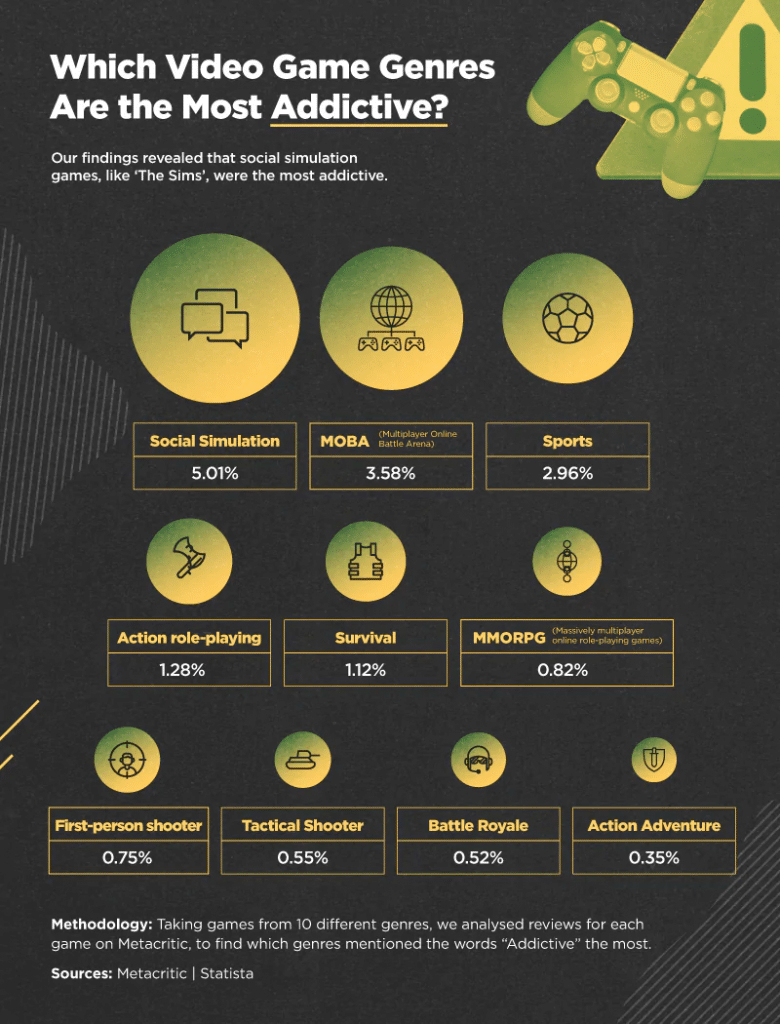
Video Game Addiction Statistics 2026 Icon Era Statistics Video Game Addiction Statistics 2025. 23 Online Gaming Statistics Facts Trends For 2026 Gaming Statistics By The Numbers 1 800x800 . Gaming Statistics 2025 Mobile PC Console Trends Video Game Addiction Statistics 2025 . Online Gaming Addiction Statistics Statistics On The Most Addictive Video Game Genres 1024x576 .webp. 100 Important Video Game Addiction Statistics To Help 2025 Video Game Addiction Statistics 6


PC Gaming Statistics How Many PC Gamers Are There 2026 Video Game Addiction Statistics 720x405 . 30 Video Game Addiction Statistics Video Game Addiction Infographic . How To Overcome Video Game Addiction 2026 7 Proven Steps Featured Image 93g4l3no . Top 10 Most Anticipated Games Of 2026 What To Watch Out For GAMES IN 2026 . 15 Most Common Addictions In 2025 Substance And Behavioral Addictions Video Game Addiction Statistics 768x432



Xbox Lawsuit For Video Game Addiction 2026 Update TorHoerman Law The Negative Of Video Game Addiction Explained . Video Game Addiction Symptoms Causes And Treatment Video Game Addiction Definition Symptoms Causes Effects And Treatment 1024x576 . Microsoft Lawsuit For Video Game Addiction 2026 Update Overview Of The Microsoft Video Game Addiction Lawsuit . Xbox Lawsuit For Video Game Addiction 2026 Update TorHoerman Law Xbox Lawsuit For Video Game Addiction . Definition Symptoms Causes Effects And Treatment Sky Forbes Video Game Addiction Sign 1024x704
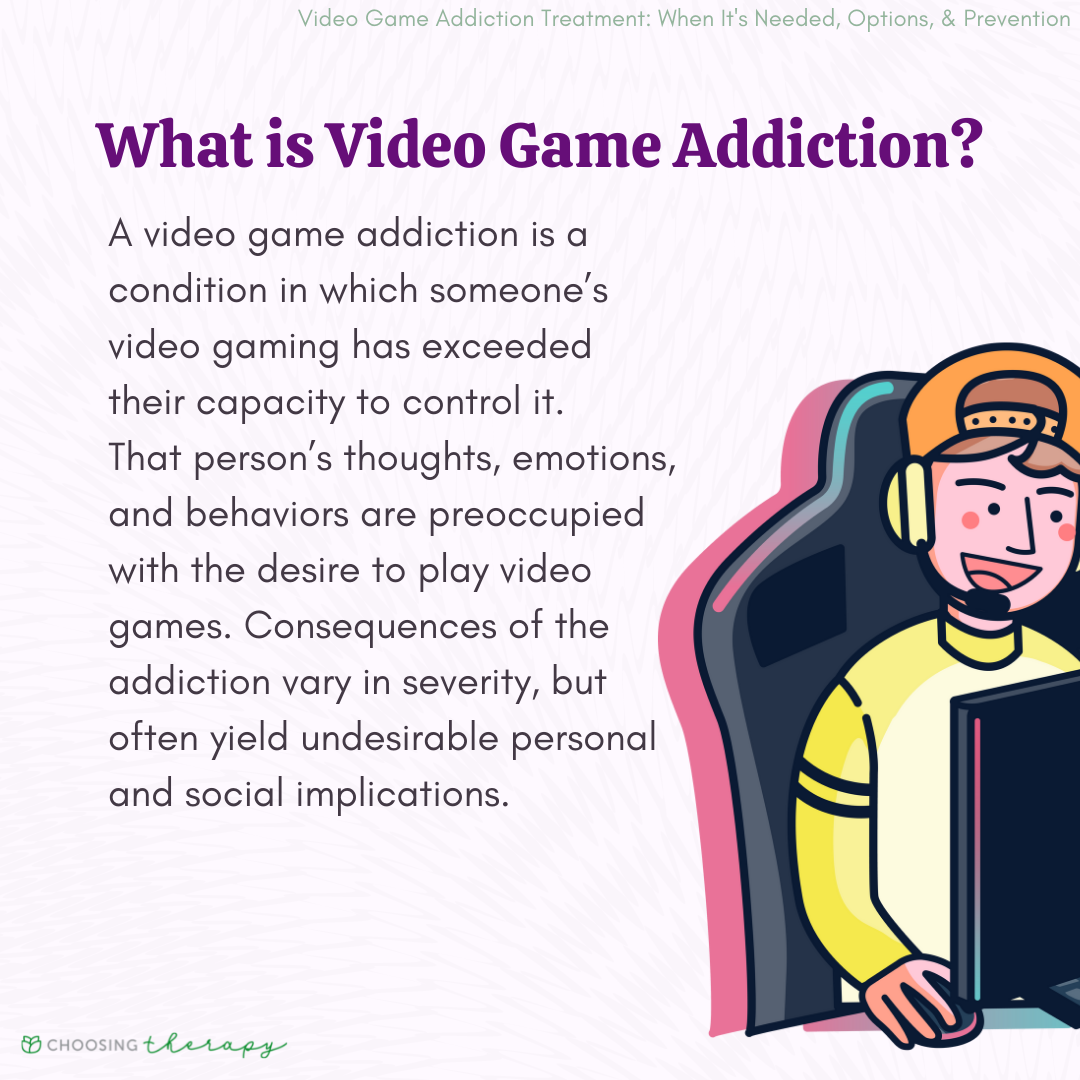
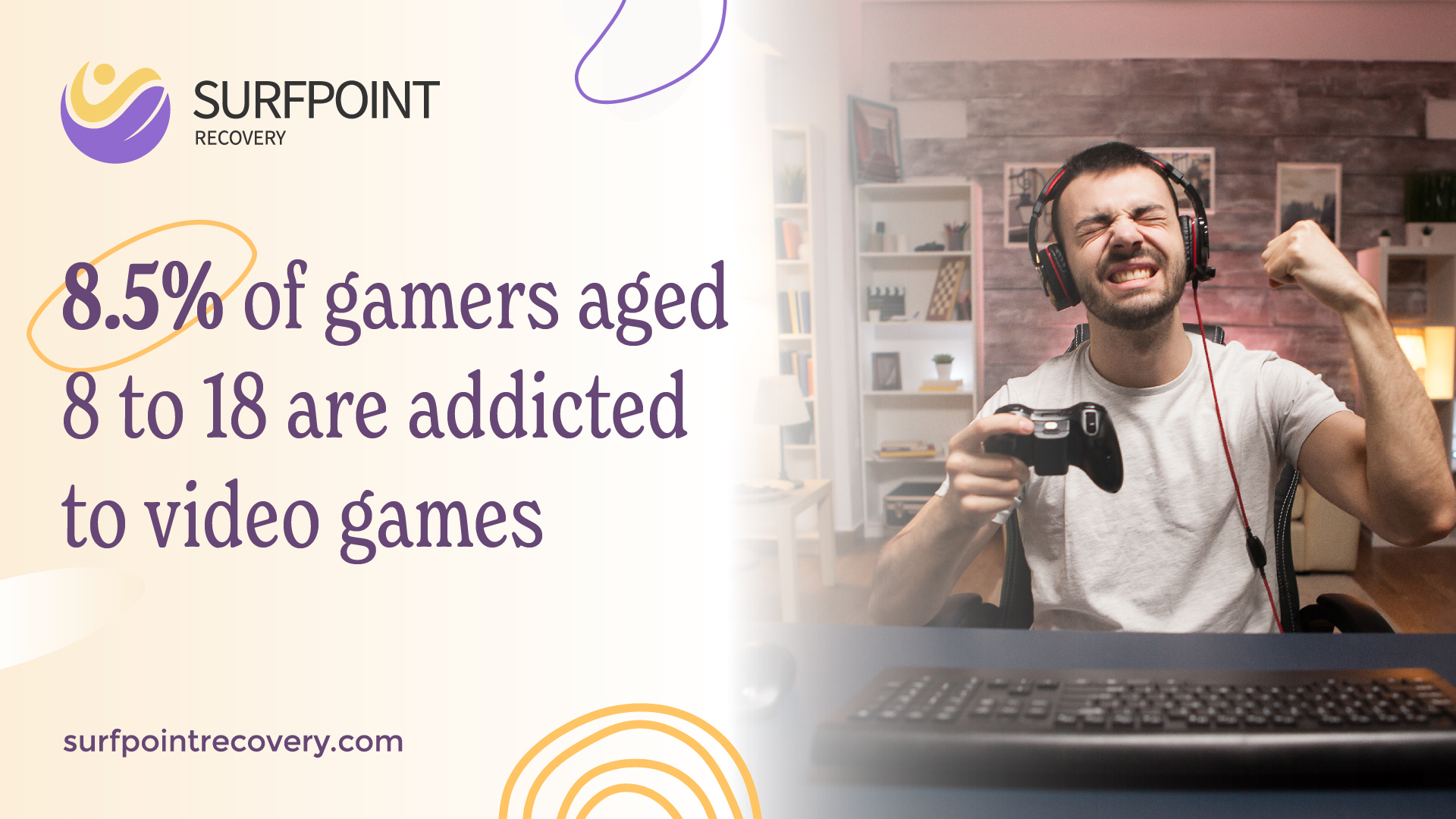

56 Video Game Addiction Statistics Facts 56 Video Game Addiction Facts Cover 100 P 1080 . How To Get Treatment For Videogame Addiction 3 10 . Surfpoint Recovery 56 Video Game Image Stats 1 100 . Global Gaming Addiction Statistics 2025 Global Gaming Addiction Statistics 2025 . 49 Video Game Addiction Statistics Most Addictive Games 49 Video Game Addiction Statistics Most Addictive Games3 100


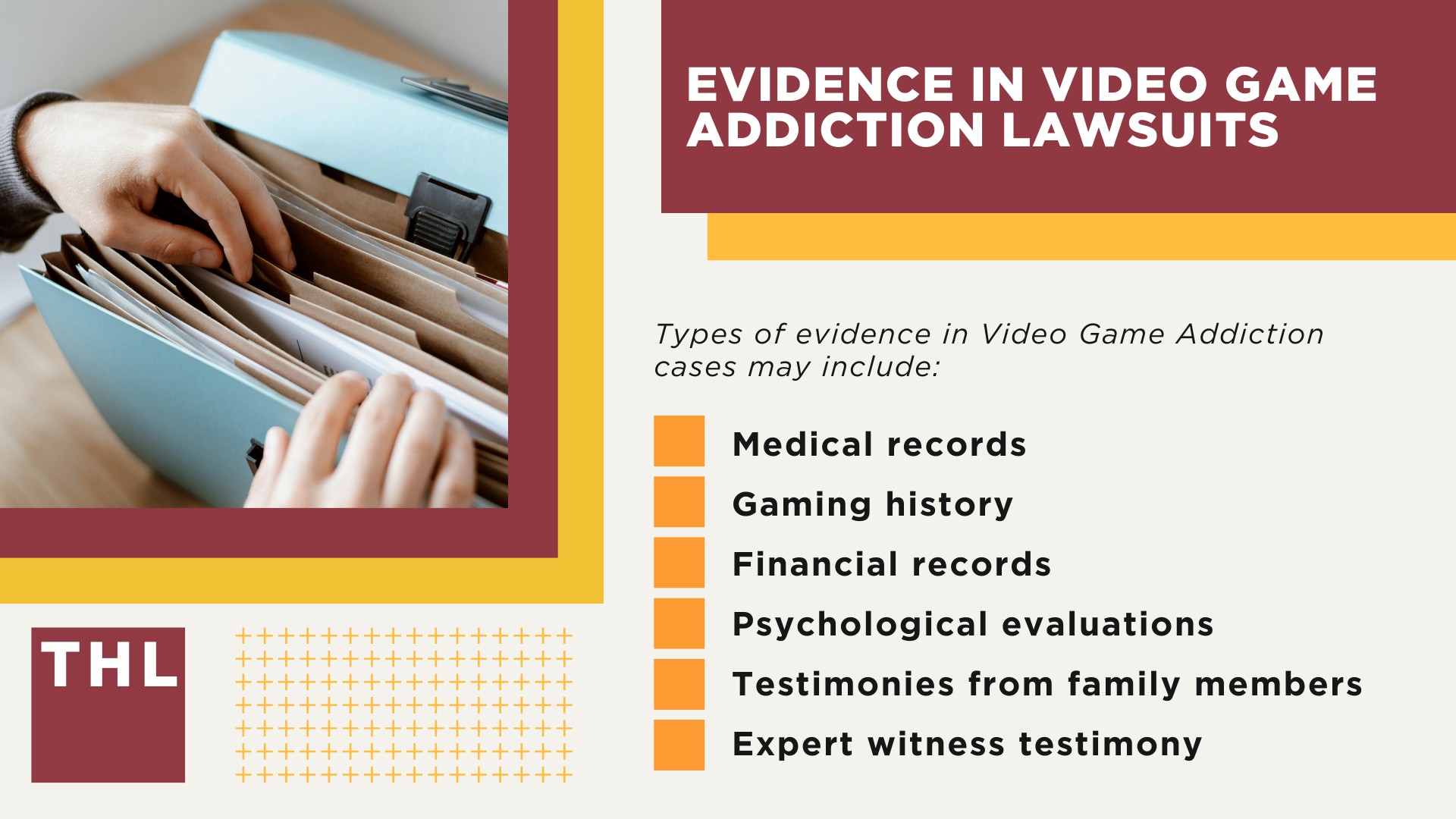
Video Games Addiction In India A Threat To Our Society Major Mental Health Of Video Game Addiction Find Rehab Centre . Definition Symptoms Causes Effects And Treatment Sky Forbes The Causes Of Video Game Addiction 1024x480 . 49 Video Game Addiction Statistics Most Addictive Games 6f39f9c2 . Video Game Addiction 11 Signs Symptoms And Treatments Video Game Addiciton Graphics 04 The Three Levels Of Gaming Disorder 1200x600 . Xbox Lawsuit For Video Game Addiction 2026 Update TorHoerman Law Evidence In Video Game Addiction Lawsuits

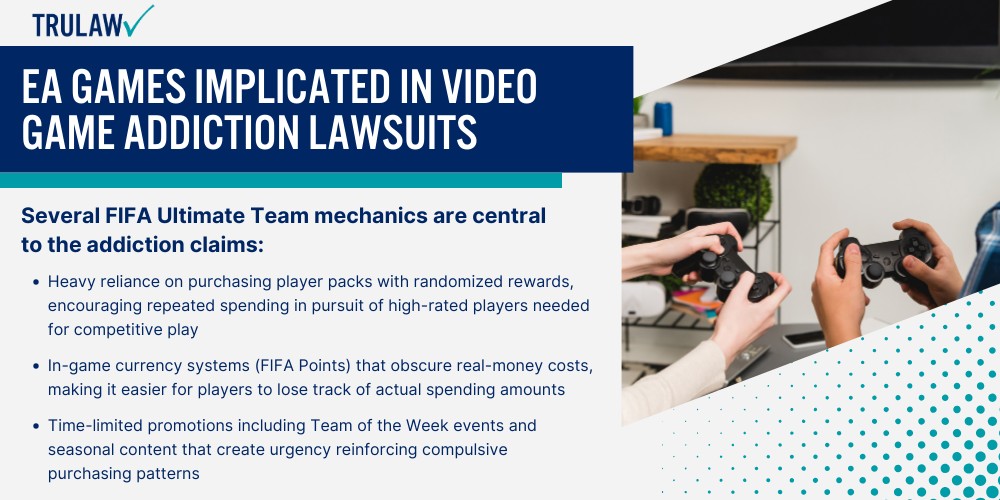


What Are The Symptoms Of Scrub Typhus Causes Treatment Prevention What Is Internet Gaming Video Gaming Addiction . EA Games Lawsuit For Video Game Addiction 2026 Update EA Games Implicated In Video Game Addiction Lawsuits . 49 Video Game Addiction Statistics Most Addictive Games Image 7 . Video Game Addiction Statistics 2021 Is The World Addicted To Video Video Game Addiction Statistics . Video Game Addiction Lawsuit February 2026 Update Video Game Lawsuit 2024 Update Video Game Addiction Lawsuit 768x384
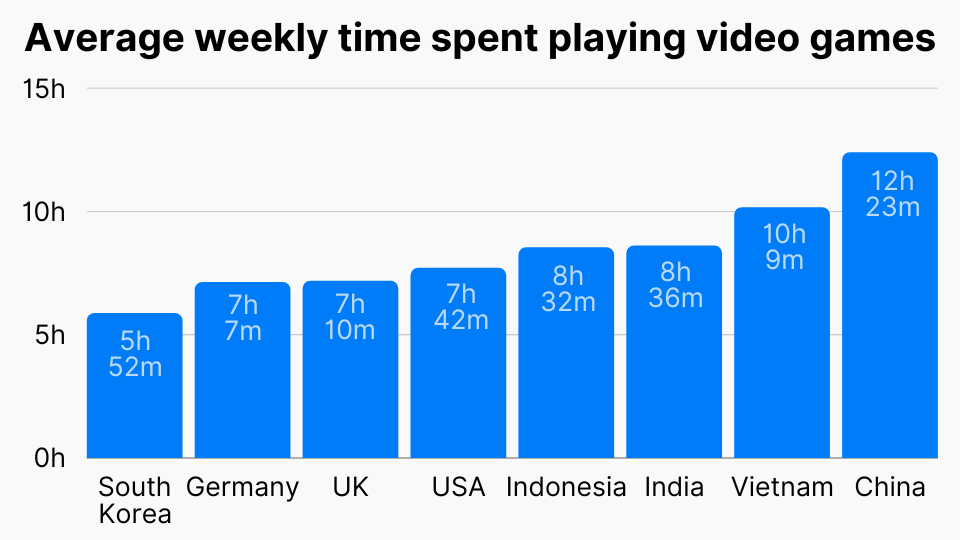


45 Video Game Addiction Statistics 2026 How Many People Are Addicted Average Weekly Time Spent Playing Video Games . 50 Video Game Addiction Statistics Facts Image 2 . 50 Video Game Addiction Statistics Facts Niagara Recovery 50 Video Game Addiction Cover 100 P 1080 . Xbox Lawsuit For Video Game Addiction 2026 Update TorHoerman Law What Are Video Game Addiction Lawsuits Based On . 17 Concerning Video Game Addiction Statistics For 2026 Video Game Addiction Statistics 800x457