Are you a dedicated gamer balancing epic raids with real-life responsibilities? Ever wonder if your passion for virtual worlds crosses into problematic territory? The question is internet gaming disorder real is more relevant than ever. This guide navigates the complexities of modern gaming distinguishing healthy engagement from genuine disorder. We provide practical insights for US gamers helping you recognize the signs understand the impact and maintain a balanced gaming lifestyle. Discover how millions manage their screens find social connection and achieve gaming mastery without letting it overtake their lives. Learn to optimize your play safeguard your well-being and continue enjoying games as a source of relaxation and fun not stress. This essential resource offers actionable strategies for maintaining control supporting friends and ensuring gaming remains a positive force in your world.
Is Internet Gaming Disorder a Real Medical Condition?
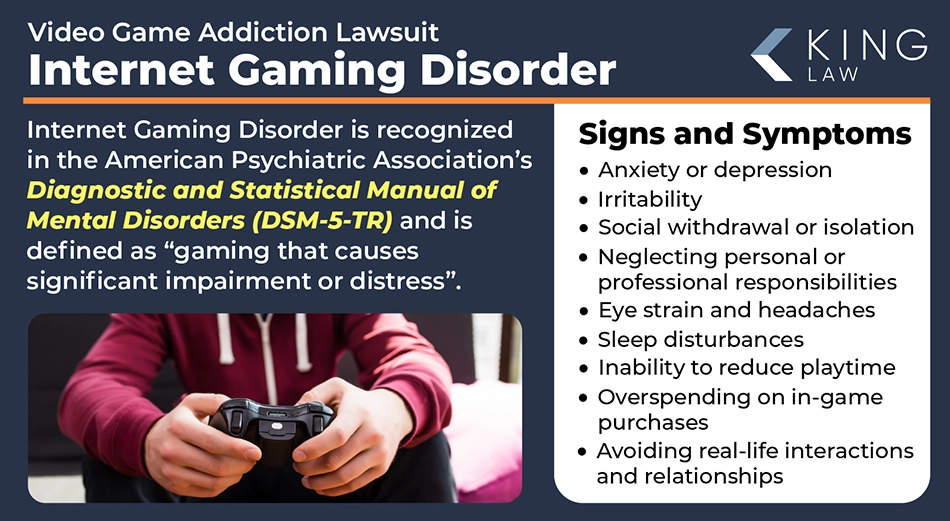
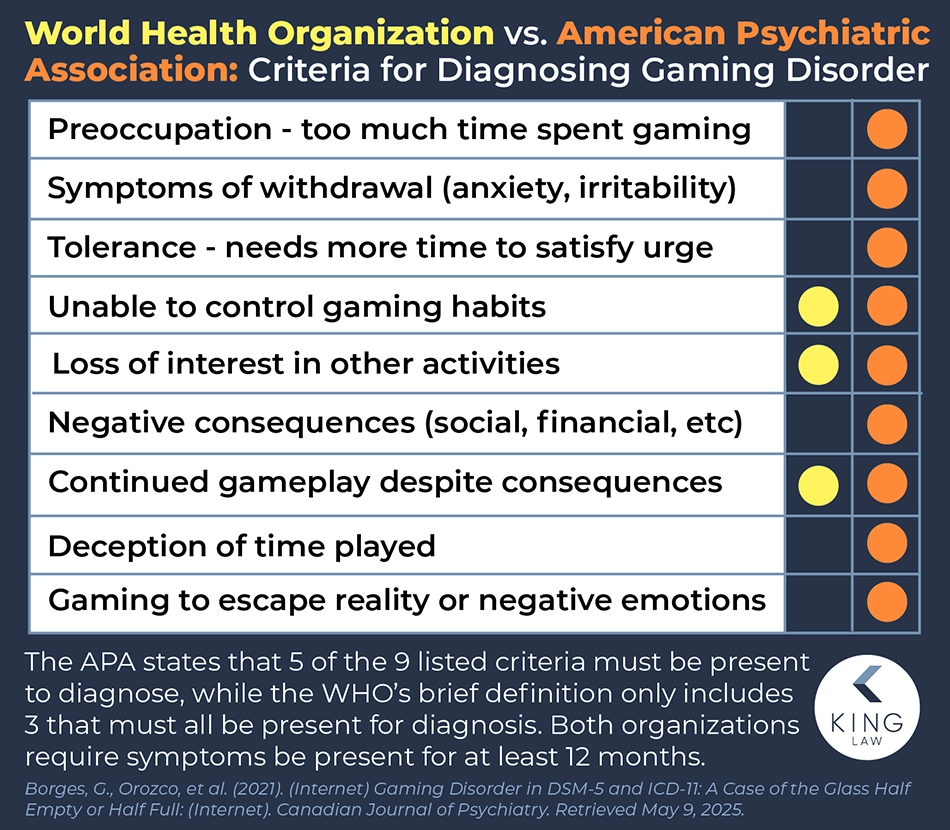
Yes, the World Health Organization (WHO) officially recognized Gaming Disorder in its 11th Revision of the International Classification of Diseases (ICD-11) in 2018, effective 2022. This classification acknowledges a pattern of gaming behavior characterized by impaired control over gaming, increasing priority given to gaming over other life interests and daily activities, and continuation or escalation of gaming despite negative consequences. It is diagnosed when these behaviors result in significant impairment in personal, family, social, educational, occupational, or other important areas of functioning and would normally have been evident for at least 12 months. This recognition underscores its legitimacy as a public health concern, distinguishing it from enthusiastic gaming.
What are the Key Symptoms of Internet Gaming Disorder?
The core symptoms, as defined by the WHO, involve three main areas. Firstly, impaired control over gaming, meaning difficulty limiting duration, frequency, or context. Secondly, increasing priority given to gaming, where it takes precedence over daily activities, responsibilities, and even basic needs. Lastly, continuation or escalation of gaming despite experiencing negative consequences, such as job loss, relationship strain, or academic failure. These persistent and recurrent patterns of behavior must lead to significant distress or impairment in important areas of functioning, like social, occupational, or educational life, and typically last for at least 12 months for a diagnosis.
How Does Gaming Disorder Differ from Just Being an Enthusiastic Gamer?
The crucial difference lies in the impact on daily functioning and well-being. An enthusiastic gamer can play for many hours, enjoy competitive or social aspects, and even dedicate significant time to their hobby, yet still maintain control, fulfill responsibilities, and experience overall positive life outcomes. They can stop when needed, their relationships thrive, and their work or studies remain unaffected. In contrast, someone with Gaming Disorder experiences significant distress or impairment because their gaming interferes with responsibilities, relationships, health, and personal goals. The joy of gaming becomes overshadowed by compulsion and negative consequences.
Who Is Most at Risk for Developing Internet Gaming Disorder?
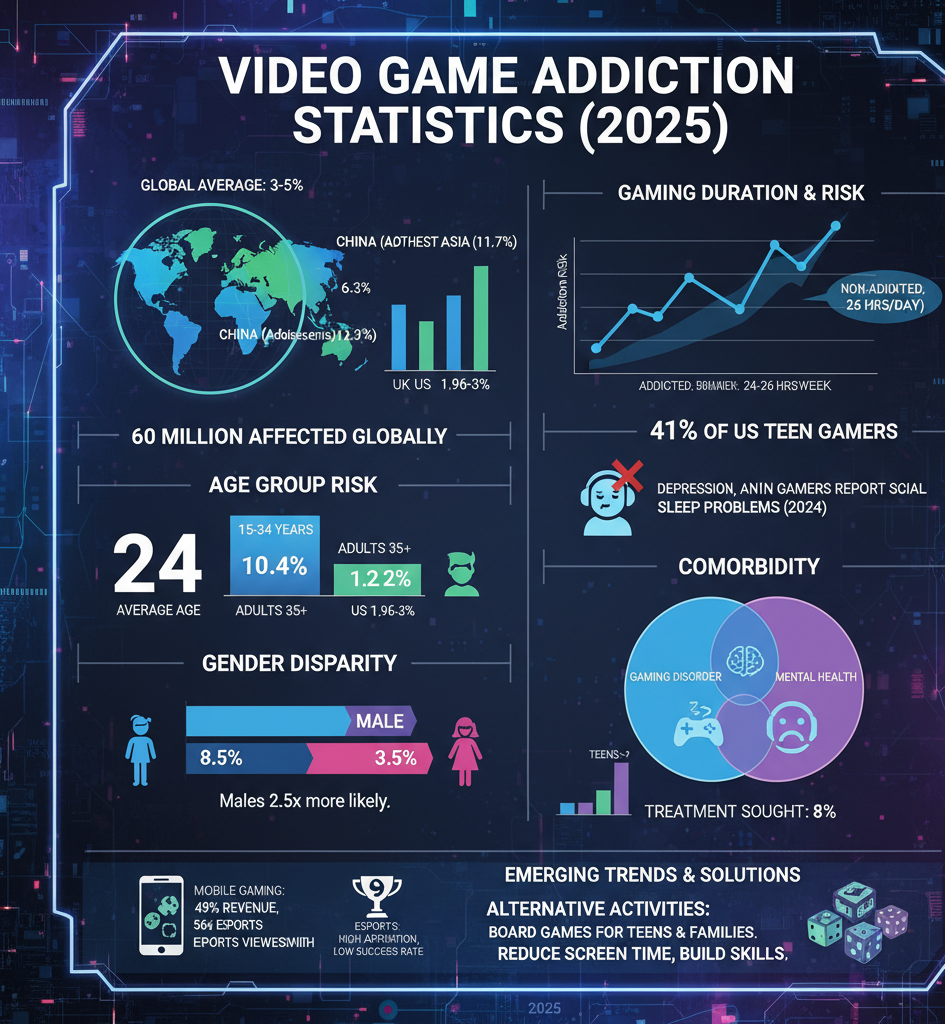
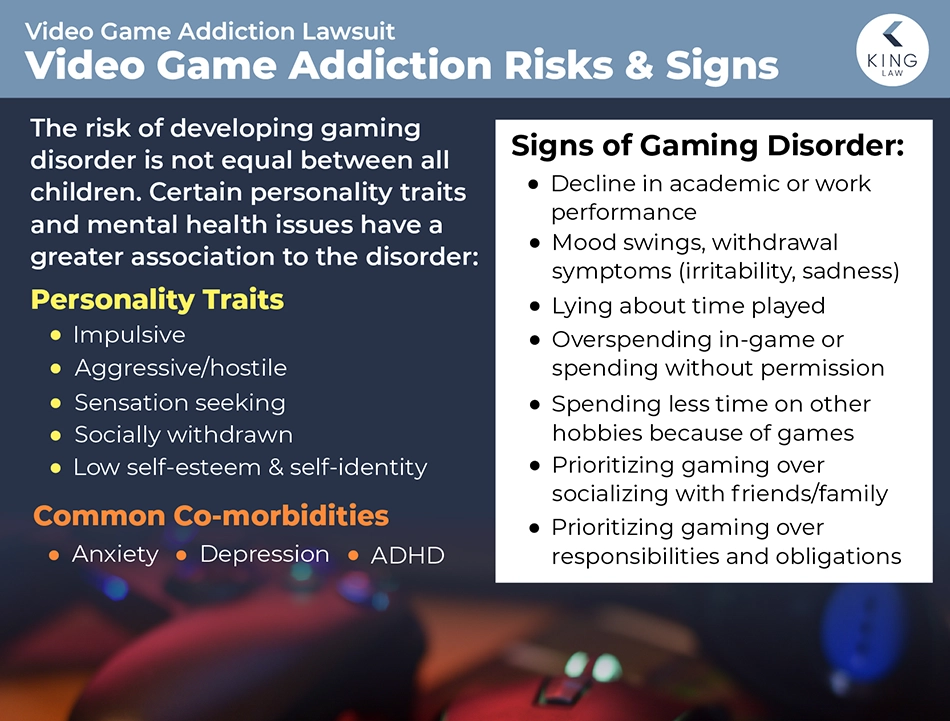
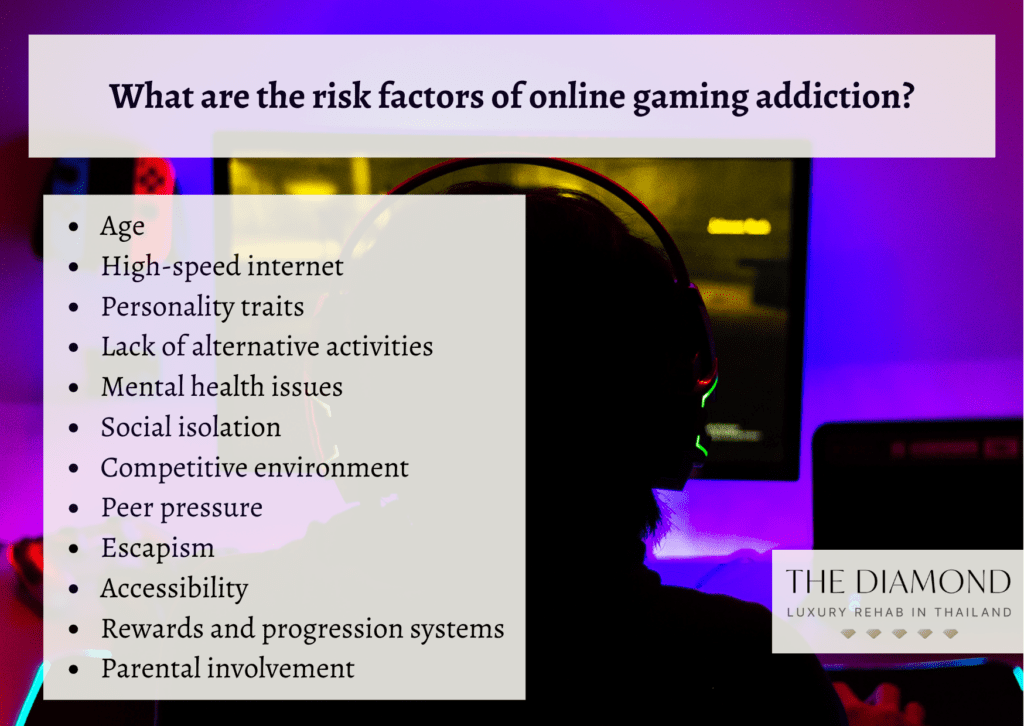
While anyone can develop problematic gaming habits, certain factors may increase risk. Adolescents and young adults appear to be more vulnerable, potentially due to developing self-regulation skills and higher exposure to gaming. Individuals with co-occurring mental health conditions such as depression, anxiety, ADHD, or social phobia might also be at higher risk, sometimes using gaming as a coping mechanism. Additionally, gamers who find it difficult to cope with real-life stress, who lack strong social support offline, or who have certain personality traits like impulsivity may be more susceptible to developing IGD.
Can Gaming Be Good for Mental Health, Or Is It Always a Risk?
Gaming can absolutely be beneficial for mental health and cognitive skills when engaged in moderately and healthily. Many gamers find it a fantastic way to relax, relieve stress, and unwind after a long day. It offers a sense of accomplishment, problem-solving challenges, and opportunities for social connection and teamwork in online communities. Research even suggests benefits in areas like reaction time, spatial reasoning, and strategic thinking. The risk arises when gaming becomes an uncontrolled compulsion, displacing real-world responsibilities and relationships, rather than a balanced leisure activity.
What Are Practical Steps to Maintain Healthy Gaming Habits?
Maintaining balance is key. Start by setting clear limits on your gaming time daily or weekly and stick to them using timers or parental controls if needed. Prioritize real-world responsibilities like work, school, exercise, and social interactions. Engage in diverse hobbies and activities outside of gaming. Be mindful of your motivations for playing – are you genuinely enjoying it, or using it to escape problems? Regularly check in with yourself about your mood, sleep, and physical health. Communicating your gaming habits with family and friends can also provide accountability and support.
Where Can Gamers and Their Families Find Help for Internet Gaming Disorder?
If you or someone you know is struggling, help is available. Start by consulting a mental health professional, such as a therapist or counselor, who specializes in behavioral addictions. Many general practitioners can also provide referrals. Online resources and support groups, both national and local, can offer peer support and guidance. Organizations like the National Council on Problem Gambling (NCPG) or similar mental health associations often have directories of treatment centers and helplines. Open communication with trusted friends or family members is also a vital first step in seeking support.
Hey fellow gamers! Ever find yourself deep into a raid, checking off quests, or strategizing with your squad, only to glance at the clock and realize hours have vanished? In 2026, gaming is more integrated into our lives than ever. With 87% of US adults regularly engaging in games and many averaging 10+ hours a week, it’s a vibrant part of our culture, offering stress relief, social connection, and epic challenges. For many of us, gaming is a cherished hobby that helps us unwind after a long day balancing jobs, families, and everyday life. We seek out those moments of relaxation, the thrill of skill-building, and the camaraderie of online friends.
But as gaming evolves, so does the conversation around its impact. You might have heard whispers or seen headlines asking, “is internet gaming disorder real?” It's a valid question, especially when we're trying to optimize our play, budget for hardware, and stay current without falling into hype traps. This comprehensive guide is here to cut through the noise. We'll explore what Internet Gaming Disorder actually means, how it differs from passionate play, and most importantly, how to maintain a healthy, balanced relationship with your favorite virtual worlds. Let's dive in and ensure gaming remains a positive, empowering force in your life, not a source of worry.
Is Internet Gaming Disorder a Medically Recognized Condition?
Yes, absolutely. The World Health Organization (WHO) officially recognized Gaming Disorder (GD) in its 11th Revision of the International Classification of Diseases (ICD-11), which became effective in 2022. This wasn't a snap decision; it followed years of extensive research and debate among global health experts. The classification acknowledges a pattern of gaming behavior – whether online or offline – characterized by a significant impairment in control, escalating priority for gaming, and continuation despite negative consequences. It is diagnosed when these behaviors are severe enough to result in significant distress or impairment in personal, family, social, educational, occupational, or other important areas of functioning, and would normally have been evident for at least 12 months. This recognition legitimizes it as a genuine public health concern, distinguishing it from general enthusiastic gaming.
Understanding this distinction is vital. It’s not about how many hours you play, but the *impact* those hours have on your life. For the average US gamer, age 36, who balances work, family, and a love for gaming, this distinction helps us frame the conversation around healthy engagement versus concerning patterns.
What Are the Official Signs and Symptoms of Gaming Disorder?
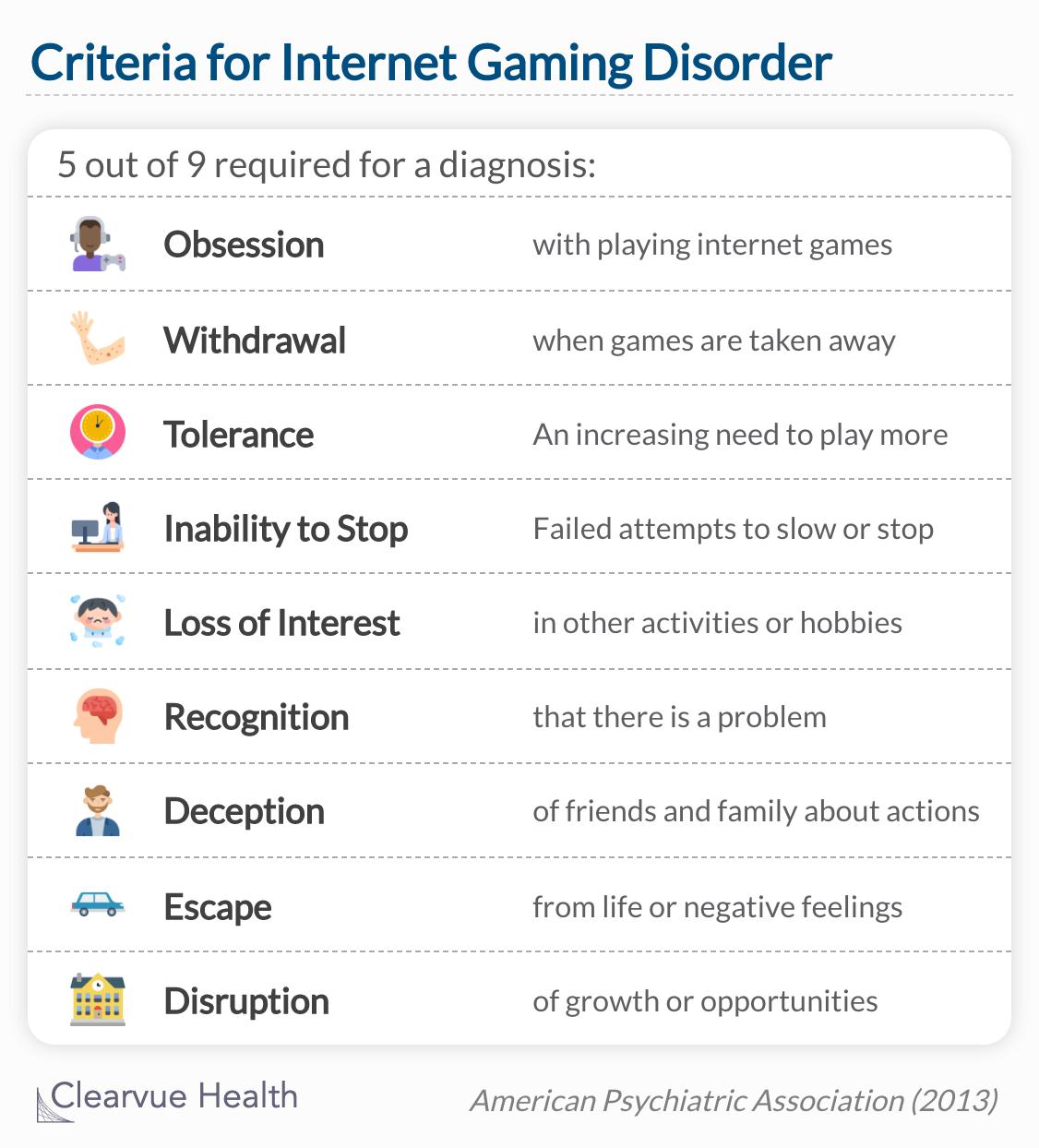
The core symptoms, as defined by the WHO, revolve around three key areas, which together paint a picture of behavioral dependency:
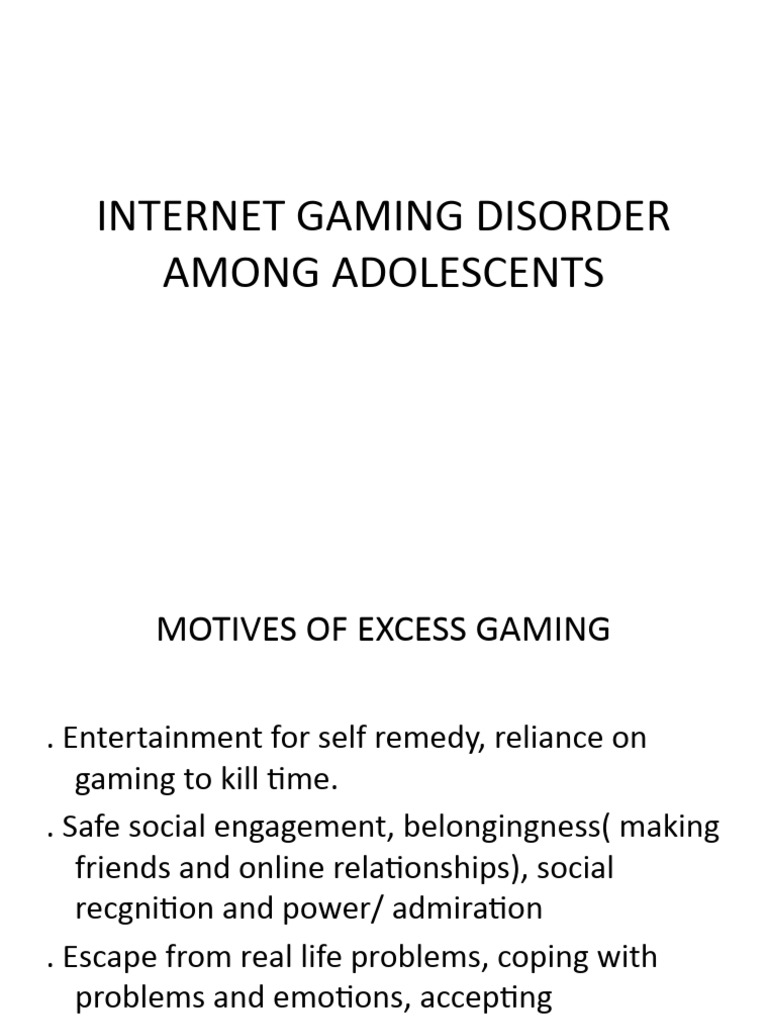
- Impaired Control Over Gaming: This means a consistent difficulty in limiting gaming behavior regarding its duration, frequency, intensity, context, or even when to stop. You might intend to play for an hour but find yourself still gaming three hours later, unable to disengage despite knowing you should.
- Increasing Priority Given to Gaming: Gaming starts to take precedence over almost everything else. This includes basic physiological needs (like eating or sleeping), personal hygiene, important daily activities, education, work, relationships, and previously enjoyed hobbies. For instance, skipping meals to continue a session or declining social invitations in favor of staying home to game.
- Continuation or Escalation of Gaming Despite Negative Consequences: This is a critical indicator. Despite experiencing clear negative impacts – such as job loss, academic failure, significant relationship problems, physical health issues (e.g., eye strain, back pain, poor sleep), or financial difficulties – the individual continues or even increases their gaming activity. The negative outcomes don't deter the behavior.
For a diagnosis, these persistent and recurrent patterns of behavior must lead to significant distress or impairment in important areas of functioning and typically be observable for at least 12 months. However, if symptoms are severe and all diagnostic requirements are met, a shorter duration might be considered.
How Do You Tell the Difference Between Passionate Gaming and Problematic Gaming?
This is where many gamers get hung up, and it's a super important distinction. Most of us who love gaming are passionate about it. We invest time, energy, and sometimes money into our hobbies. The key differentiator isn't the *amount* of time spent gaming, but the *impact* that gaming has on other critical areas of your life.
- Passionate Gamer: You play for many hours, enjoy competitive or social aspects, and might even spend on games. However, you maintain control, fulfill responsibilities (work, family, health), and experience overall positive life outcomes. You can stop when needed, your relationships thrive, and your work or studies remain unaffected. Gaming adds value to your life – a source of relaxation, fun, social connection (especially with popular social/cozy games or Discord communities), and skill development. You might even use it for stress relief after a busy day, a common sentiment among US adults.
- Problematic Gamer (Gaming Disorder): You experience significant distress or impairment because gaming *interferes* with responsibilities, relationships, health, and personal goals. The joy becomes overshadowed by compulsion, guilt, or negative consequences. For example, missing deadlines, neglecting loved ones, falling behind on bills due to excessive in-game purchases, or experiencing severe sleep deprivation. It's when gaming stops being a source of enjoyment and becomes a persistent, uncontrollable urge that leads to detrimental real-world outcomes.
Consider it this way: for the average gamer who balances a job and family, gaming is a break, a reward. For someone with IGD, gaming becomes an obligation, a constant pull that actively harms other aspects of their well-being.
Who is Most Vulnerable to Developing Internet Gaming Disorder?
While gaming disorder can affect anyone, certain factors can increase an individual's vulnerability. It's not a single cause, but often a combination of predispositions and environmental triggers:
- Adolescents and Young Adults: This demographic, still developing self-regulation skills and navigating identity formation, appears to be at a higher risk. They are also highly exposed to gaming, with mobile gaming dominance making games accessible at all times.
- Individuals with Co-occurring Mental Health Conditions: People already struggling with conditions like depression, anxiety, ADHD, social phobia, or chronic stress might be more susceptible. Gaming can become a maladaptive coping mechanism, offering an escape from real-world problems or a sense of accomplishment and social connection that feels lacking offline.
- Social and Environmental Factors: A lack of strong offline social support, high academic or work pressure, family conflict, or experiences of loneliness can contribute. Gaming communities, especially within popular titles or platforms like Discord, offer a powerful sense of belonging, which can be particularly attractive to those feeling isolated.
- Personality Traits: Traits such as impulsivity, low self-esteem, or a tendency towards escapism might also play a role. The highly rewarding nature of many games, especially free-to-play models with progression systems and loot boxes, can be particularly engaging for these individuals.
It's important to remember that these are risk factors, not definitive predictors. Many individuals with these characteristics game healthily, demonstrating resilience and effective coping strategies.
Can Gaming Actually Be Good for Your Brain and Social Life?
Absolutely! When engaged in moderately and mindfully, gaming offers a wealth of benefits that can genuinely enhance your life, both mentally and socially. It's not all doom and gloom; for the majority of gamers, it's a positive force:
- Stress Relief and Relaxation: After a demanding day at work or managing family life, jumping into a game can be an excellent way to decompress and unwind. It provides a healthy distraction and a sense of escape, helping to alleviate daily stressors.
- Cognitive Skill Development: Many games actively train your brain. Think about strategy games that boost problem-solving and critical thinking, action games that sharpen reaction time and hand-eye coordination, or puzzle games that enhance spatial reasoning and memory.
- Social Connection and Teamwork: Online multiplayer games and platforms like Discord are social hubs. US gamers, including Gen Z and Millennials, often use gaming to connect with friends, build new relationships, and foster teamwork skills. Popular social/cozy games are trending for this very reason, offering low-stress ways to interact. Esports viewing and community involvement also strengthen these bonds.
- Sense of Accomplishment: Achieving in-game goals, leveling up, or mastering a challenging mechanic provides a real sense of achievement and boosts self-esteem. This can be particularly empowering when facing real-world struggles.
- Creativity and Self-Expression: Games that offer character customization, base building, or modding allow for immense creativity and personal expression, tapping into different facets of our minds.
The key is balance. Gaming can be a powerful tool for personal growth and enjoyment when integrated thoughtfully into a diverse life.
Practical Strategies for Balancing Gaming with Life and Responsibilities
For the busy adult gamer balancing work, family, and personal well-being, healthy gaming habits are essential. Here are some actionable tips to keep your play time in check and your life on track:
- Set Clear Time Limits: Decide on a reasonable amount of time you want to game each day or week, and stick to it. Use in-game timers, phone alarms, or even dedicated apps to track your screen time. For instance, committing to a specific 90-minute session after dinner, then stepping away.
- Prioritize Responsibilities: Before you even think about logging on, ensure your critical responsibilities are handled. This includes work tasks, family time, household chores, exercise, and adequate sleep. Gaming should be a reward, not an avoidance tactic.
- Schedule "Gaming-Free" Blocks: Designate specific times or days for other hobbies, social outings, or family activities where gaming is off-limits. This builds routine and ensures you engage with diverse interests.
- Diversify Your Hobbies: Don't let gaming be your *only* leisure activity. Explore other passions like reading, hiking, cooking, sports, or creative arts. This provides alternative outlets for stress relief and personal growth.
- Communicate Your Habits: Talk to your partner, family, or close friends about your gaming schedule and any concerns you might have. Their understanding and support can be invaluable, and they can help hold you accountable.
- Be Mindful of Triggers: Understand *why* you game. Is it purely for enjoyment, or are you using it to escape stress, boredom, or negative emotions? If it's the latter, explore healthier coping mechanisms.
- Take Regular Breaks: Even during a gaming session, stand up, stretch, walk around, or grab a drink of water every hour. This is good for your physical health and can help reset your focus.
- Optimize Your Setup and Budget: Dealing with setup issues or performance problems can lead to frustration and excessive troubleshooting. Ensure your hardware upgrades are on a budget and focus on value for money. Staying current doesn't mean buying every new release; choose wisely based on genuine interest and time availability.
How to Support a Friend or Family Member Who Might Be Struggling
It can be tough to see someone you care about seemingly losing control over their gaming. If you suspect a friend or family member might be experiencing problematic gaming, approaching the situation with empathy and practical support is crucial. Remember, this isn't about shaming, but about helping them regain balance.
- Open, Non-Judgmental Communication: Start a conversation calmly and privately. Express your concerns using "I" statements ("I've noticed you seem more tired lately," "I'm worried about how gaming is affecting your sleep") rather than accusatory "you" statements ("You're always gaming"). Focus on specific behaviors and their impact, not the person.
- Listen Actively: Allow them to share their perspective without interruption. They might be defensive or unaware of the extent of the problem. Try to understand their motivations for gaming and what they feel they gain from it.
- Suggest Alternatives: Encourage participation in shared activities outside of gaming that they once enjoyed or might find new interest in. Offer to go for a walk, cook a meal together, or watch a movie.
- Help Set Boundaries (If Appropriate): If they acknowledge a problem, work together to set realistic gaming limits. This might involve setting specific times for gaming, establishing "no-gaming zones" in the house, or agreeing to use timers.
- Avoid Enabling: While supportive, avoid actions that might inadvertently enable their problematic behavior, such as covering their responsibilities or making excuses for their absence from social events.
- Educate Yourself: Learn more about Internet Gaming Disorder so you can speak from an informed position and understand the challenges they face.
When Should You Consider Seeking Professional Help for Gaming Concerns?
Knowing when to move beyond self-help strategies and seek professional support is a critical step for anyone concerned about their gaming habits, or for those supporting them. If you or someone you know checks off several of the following, it might be time to talk to an expert:
- Significant Life Impairment: If gaming is consistently causing serious problems in work, school, relationships, finances, or physical health, and self-correction isn't working.
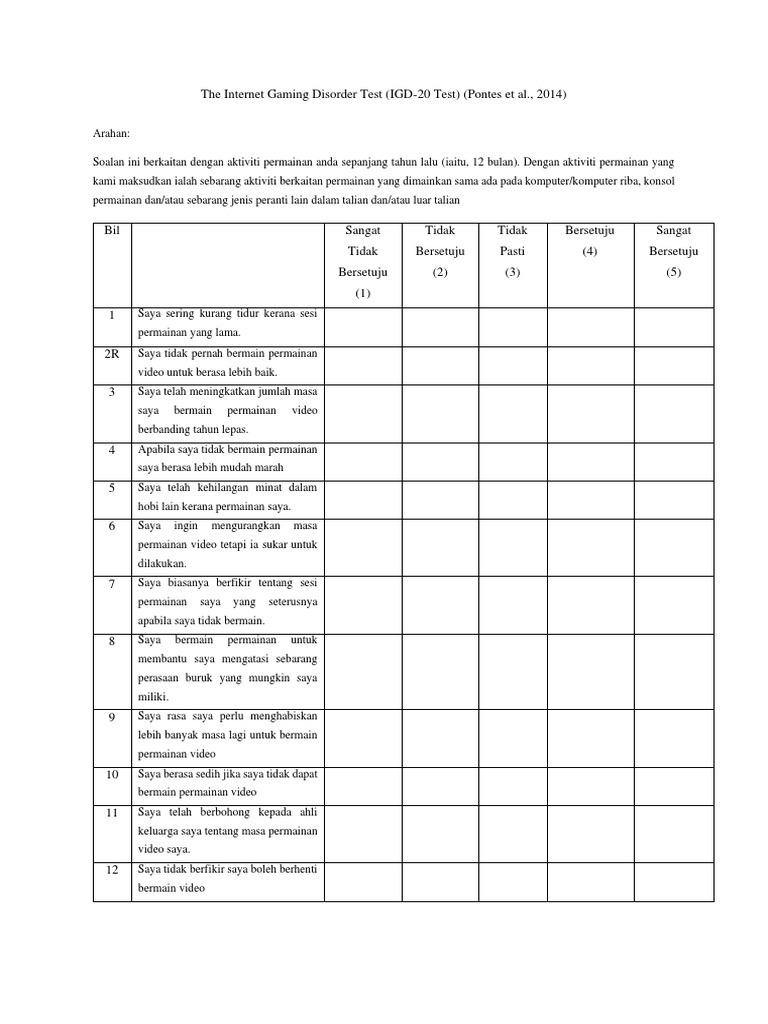
- Loss of Control: Despite repeated attempts, you're unable to cut back or stop gaming, even when you truly want to.
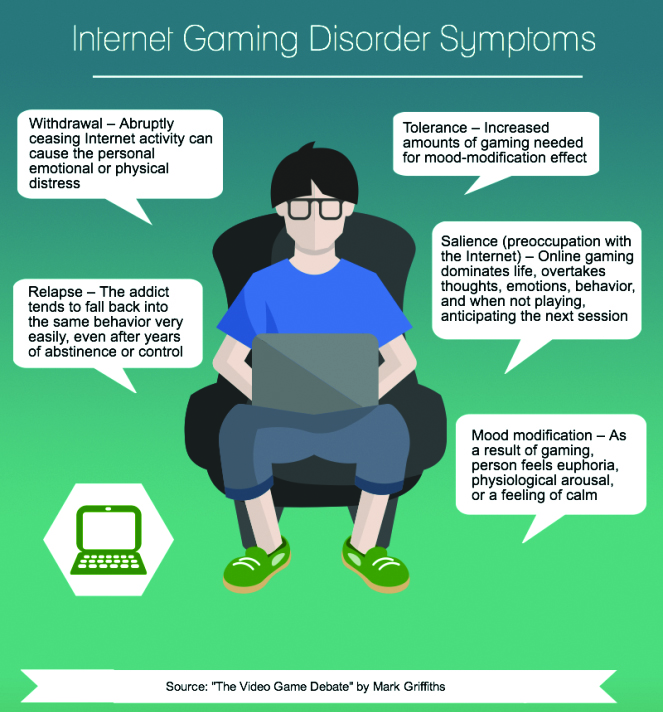
- Intense Cravings or Preoccupation: You find yourself constantly thinking about gaming when you're not playing, feeling irritable or anxious when you can't play, or using gaming to escape persistent negative feelings.
- Escalation and Tolerance: You need to game for longer periods or engage in more intense gaming to achieve the same level of satisfaction, indicating a developing dependence.
- Withdrawal Symptoms: Experiencing symptoms like irritability, anxiety, sadness, restlessness, or sleep problems when gaming is reduced or stopped.
If these signs resonate, reaching out to a mental health professional – such as a therapist, counselor, or psychologist specializing in behavioral addictions – is highly recommended. Many general practitioners can also provide initial guidance and referrals to local services. Online resources and support groups can also offer valuable peer support and guidance as you navigate these challenges.
Navigating In-Game Purchases and Loot Boxes Ethically
For many gamers, the allure of in-game purchases and loot boxes is part of the modern gaming experience. Whether it's a new cosmetic skin, a battle pass, or a chance at rare items, these elements are deeply integrated into popular free-to-play (F2P) titles and even full-priced games. While they fund development and offer personalization, they can also become a slippery slope for some, especially if not managed consciously.
- Set a Budget: Before you even consider a purchase, decide how much real money you're willing to spend on games each month. Treat it like any other entertainment budget.
- Understand the Value: Are you buying something that genuinely enhances your enjoyment or just chasing a fleeting dopamine hit? Consider if the item offers real value for money or if it's designed to encourage continuous spending.
- Be Wary of Psychological Triggers: Loot boxes, in particular, often employ psychological tactics similar to gambling, leveraging anticipation and variable rewards. Be aware of these mechanisms and how they might influence your decisions.
- Talk to Others: Discuss in-game spending with friends or family. Openness can provide accountability and a reality check if your spending starts to get out of hand.
- Use Parental Controls: For younger gamers, or for yourself if you find impulse spending difficult, use platform-level parental controls or credit card limits to restrict purchases.
The goal is to ensure that these purchases remain a choice that adds to your enjoyment, rather than a compulsion that leads to financial strain or regret. Staying current with gaming trends means understanding these monetization models and engaging with them responsibly.
Staying Updated with Gaming Trends Without Over-Committing
The gaming world moves fast! New titles, updates, hardware, and community trends (like cozy games, esports, or VR experiments) emerge constantly. For the average adult gamer, keeping up can feel like another full-time job. Here's how to stay in the loop without letting it consume your precious free time or budget:
- Curate Your News Sources: Follow a few trusted gaming news outlets, content creators, or specific game subreddits that align with your interests. Avoid feeling pressured to consume everything.
- Focus on Your Niche: You don't need to know about every game. If you love RPGs, focus on RPG news. If competitive shooters are your jam, keep an eye on those.
- Watch Gameplay Videos: Instead of buying every new game, watch gameplay streams or reviews. This helps you decide if a game truly fits your limited time and preferences before committing.
- Leverage Free-to-Play (F2P) Wisely: F2P games can be a great way to try new genres or social experiences without initial investment. Just be mindful of potential in-game purchase temptations.
- Join Targeted Communities: Discord servers for specific games or genres allow you to engage with focused discussions and get insights without needing to constantly browse wider news feeds.
- Embrace "Slow Gaming": It's perfectly fine to play games at your own pace, even if they're not the "newest" or most hyped. Many classic or slightly older titles offer immense value and fun without the pressure of a live service.
Remember, gaming is about *your* enjoyment. Don't let FOMO (Fear Of Missing Out) dictate your play choices or lead to over-commitment. Choose quality over quantity, and enjoy the games that genuinely resonate with you.
Balancing our love for gaming with real-world responsibilities is a common challenge for many adults. Understanding what internet gaming disorder real means, recognizing the signs, and actively implementing strategies for healthy play ensures that gaming remains a source of joy, connection, and relaxation. Remember, your virtual adventures should enhance your life, not detract from it. Prioritize your well-being, connect with your community, and keep those controllers charged for balanced, enjoyable experiences.
What's your biggest gaming challenge when trying to find that perfect balance? Comment below and share your strategies!
FAQ Section
What is the average gaming time for US adults in 2026?
In 2026, the average US adult gamer spends over 10 hours per week playing games across various platforms, often balancing this with work and family commitments. Many play regularly, around 87% of adult gamers, showing how integral it is to daily life.
Is mobile gaming a significant factor in gaming habits?
Absolutely. Mobile gaming continues its dominance, especially for casual and social play, making gaming highly accessible throughout the day. This trend means many gamers engage across mobile, PC, and console, often using cross-play features to connect with friends.
Can gaming help reduce stress after work?
Yes, for many, gaming serves as an excellent stress reliever, offering a controlled environment for relaxation, problem-solving, and social interaction. It provides a valuable mental escape and can be a healthy way to unwind when managed appropriately.
How do I find game recommendations for limited play time?
Look for games with clear objectives, shorter play sessions, or flexible save points. Many indie titles, cozy games, or specific modes within larger games cater to players with limited time. Communities and review sites often highlight 'pick-up-and-play' options.
Is it possible to upgrade my gaming setup on a budget?
Definitely. Focus on incremental upgrades like a better GPU or SSD first, or explore the used market for quality components. Many resources offer guides for budget-friendly builds and upgrades, prioritizing performance where it matters most for your favorite games.
Are in-game purchases always a sign of problematic gaming?
Not necessarily. Many gamers make occasional in-game purchases for cosmetic items, battle passes, or DLC to enhance their experience or support developers. It becomes problematic only if spending leads to financial distress, guilt, or impacts other essential expenditures.
How can I ensure my gaming remains a positive experience?
By setting clear limits, prioritizing real-world responsibilities, diversifying hobbies, and communicating openly about your gaming habits. Focus on enjoying games for relaxation and connection, rather than letting them become an escape or obligation, ensuring a healthy balance.
Key Highlights: Internet Gaming Disorder (IGD) is a recognized condition by WHO. Many gamers balance life and play; IGD affects a small percentage. Recognizing persistent, severe gaming behaviors impacting daily life is crucial. Strategies include setting limits, seeking social support, and professional help. Gaming can be a healthy hobby; awareness helps prevent negative impacts.
35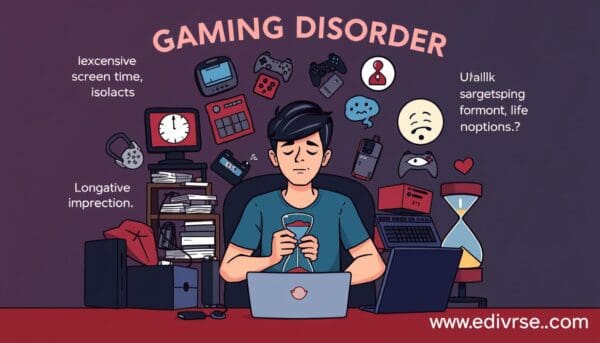
Gaming Disorder Latest Research And Treatment Approaches Gaming Disorder Risk Factors 600x343 . Rocket League Lawsuit For Video Game Addiction June 2026 Update What Is Internet Gaming. About Video Game Disorder What It Is And How To Spot It Gaming Disorder Diagnosis. Gaming Statistics 2025 Mobile PC Console Trends Video Game Addiction Statistics 2025 . Gaming Disorder Legitimate Addiction Or Overblown Concern Pexels Tima 7047615 Scaled
Internet Gaming Disorder Affects Indian Children Requiring Parental MixCollage 27 Sep 2025 08 15 PM 7184 1 . Internet Gaming Disorder How Gaming Addiction Can Affect Your Child S Mn Internet Gaming Disorder Mental Health Impact . About Video Game Disorder What It Is And How To Spot It Signs Of Video Game. How Internet Gaming Disorder Affects Children Full Detailed Internet Gaming Disorder The Detrimental Effects On Teens 1 . The Rise Of Gaming Disorder Addiction Treatment For You Rise Of Gaming Disorder Title

Internet Addiction Statistics 2026 Are You At Risk Too XtendedView Internet Gaming Disorder By Region . Global Gaming Addiction Statistics 2025 Global Gaming Addiction Statistics 2025 . Internet Gaming Disorder Psychiatry FQDA Gaming Disorder Criteria . American Psychiatric Association Declares Internet Gaming Disorder An Igd Symptoms . 5 Types Of Internet Addiction The Diamond Rehab Thailand Internet Gaming Disorder



Counseling Therapy Franciscan Health Gaming Disorder . Internet Gaming Disorder IDG Is Not Just A Teen Issue Blog Pictures 7 . WHO S Diagnosis Of Gaming Disorder Questioned By Professors From The Gaming Disorder A Disease 01 Header Scaled . Online Gaming Addiction Statistics Statistics On The Most Addictive Video Game Genres 1024x576 .webp. Internet Gaming Disorder May Affect 1 In 10 Adolescent Boys Study Internet Gaming Disorder 1 In 10 Adolescent Boys

Video Game Addictions Are Ruining Young Men Making Them Weak In The . Does An Internet Gaming Disorder Predict Psychiatric Does An Internet Gaming Disorder Web 880x537 . Internet Gaming Disorder In Adolescents PDF Mental Disorder 1. 5 Emerging Trends In Online Gaming For 2026 5 Emerging Trends In Online Gaming For 2026 1200x675 . Online Gaming Rules 2026 India S New Framework OGAI Esports Real Republic Day 2026 Tableau 7 19



Internet Gaming Disorder PPTX Thumbnail . The Internet Gaming Disorder Test PDF 1. Internet Gaming Disorder How A Video Game Addiction Can Harm Mental IGD . Is EarthLink Internet Good For Gaming Our Complete 2026 Performance Guide Is EarthLink Internet Good For Gaming In 2026 1024x822 . Treatments For Internet Gaming Disorder And Internet Addiction A Treatments For Internet Gaming Disorder W83d3gn

Why Is Gaming Addiction Bad For Your Life Balance The Risk Factors Of Online Gaming Addiction 1024x726 . Internet Gaming Disorder PPTX Internet Gaming Disorder 22 2048 . 7 Gaming Terms That Just Hijacked Real Life In 2026 Slangify Pexels Photo 7915242 . Online Gaming Addiction Definition Symptoms Causes Effects And Effects Of Online Gaming Addiction Internet Gaming Disorder 768x657 . Internet Gaming Disorder 5715386643