Staying on top of your Steam game updates is more crucial than ever for US gamers balancing life and play. This comprehensive guide navigates the ins and outs of how to update game Steam, ensuring you always experience peak performance, access the latest content, and enjoy bug-free gameplay. For the average gamer, around 36 years old, who dedicates 10+ hours a week to their passion, optimizing game maintenance means more fun and less frustration. We dive into automatic updates, manual processes, troubleshooting common issues, and smart management tips tailored for those who value their precious gaming time. Discover practical solutions to keep your library current, enhance your social gaming experiences, and make the most of every digital adventure without the technical headaches. Learn to effortlessly manage your game updates on Steam, from optimizing download speeds to understanding update impacts on storage, helping you stay current with the hottest titles and trends without sacrificing precious moments or budget. This resource is designed to empower you, the busy gamer, with efficient strategies for a smoother, more enjoyable Steam experience.
How can I check if a specific Steam game has an available update?
To check for an available update for a specific Steam game, open your Steam client and navigate to your Library. Right-click on the game title you wish to check, select 'Properties,' then click on the 'Updates' tab. Here, you'll see the game's automatic update settings and often the last update time. If an update is pending, Steam typically indicates it in the downloads section or next to the game title in your library.
What is the best way to prioritize certain game updates over others on Steam?
Prioritizing updates on Steam is easy. Go to your 'Downloads' section in the Steam client. Here, you'll see all pending downloads and updates. You can drag and drop games in the queue to change their priority, or right-click a game and select 'Start Download' to force it to the top. This is perfect for busy gamers wanting to jump into a specific title right away.
Why are my Steam game updates consistently slow, and how can I fix it?
Slow Steam updates can stem from several issues. First, check your Steam Download Region in Steam Settings Downloads. Select a closer, less congested server. Also, ensure no other applications are hogging bandwidth. Temporarily disabling your firewall or antivirus can sometimes help, but do so cautiously. Lastly, clear your download cache via Steam Settings Downloads Clear Download Cache to resolve corrupted files.
Does uninstalling and reinstalling a Steam game always give me the latest version?
Yes, generally, uninstalling and reinstalling a Steam game will download the latest available version. When you reinstall, Steam fetches all necessary files, including the most recent patches and updates. This method is often a last resort for stubborn update issues or corrupted game files, ensuring you start with a fresh, fully updated installation.
How do Steam betas and experimental branches affect game updates?
Steam betas and experimental branches offer early access to upcoming game versions but can affect regular updates. If you opt into a beta, you'll receive updates for that specific branch, which might be less stable. To return to the public, stable version and its updates, you must opt out of the beta through the game's Properties Betas tab in Steam, which will then trigger a download for the main branch.
Can I schedule Steam game updates to run at specific times?
While Steam does not have a direct feature to schedule updates for specific times of day, you can set a 'Download Restriction' window. Go to Steam Settings Downloads. Under 'Download Restrictions,' you can check 'Only auto-update games between' and define a timeframe. This allows busy gamers to ensure updates happen during off-peak hours, preserving bandwidth when they need it most.
What impact do large game updates have on my PC's SSD or HDD lifespan?
Large game updates, especially those with many small file changes, involve significant read/write operations that can contribute to wear on SSDs and HDDs over time. While modern drives are robust, frequent, massive updates, particularly on an older SSD, can marginally reduce its lifespan. However, for most gamers with contemporary hardware, this impact is negligible and far outweighed by the benefits of up-to-date games.
You finally carve out an hour to dive into your favorite Steam game, only to be greeted by a mandatory update message that drags on forever. Sound familiar? For many US gamers, especially those juggling careers, families, and social lives, precious gaming moments are hard-won. The last thing you need is technical hiccups or outdated content spoiling your relaxation. Keeping your Steam games updated is not just about getting new features; it is about ensuring peak performance, squashing annoying bugs, and staying engaged with the vibrant, evolving gaming communities. In 2026, industry reports show that over 87 percent of US gamers play regularly, often dedicating 10 plus hours weekly. This demographic, often averaging 36 years old, relies on seamless experiences to make the most of their limited playtime.
This guide is your go-to resource for mastering how to update game Steam, turning a potential headache into a smooth, effortless process. We will walk you through everything from automatic settings to manual troubleshooting, optimizing your download queue, and understanding how updates impact your system. Our goal is to empower you with the knowledge to keep your digital library pristine, ready for action whenever you are. Say goodbye to performance issues and hello to uninterrupted fun. Let us ensure your gaming setup is always in top shape, letting you focus on the fun, skill-building, and social connections that make gaming so rewarding.
Why is it Crucial to Update Game Steam Regularly?
Regularly updating your Steam games is more than just good practice; it is essential for a superior gaming experience. Developers release updates for a multitude of reasons, all designed to enhance your play. Think of it like maintaining your car; ignoring oil changes leads to problems down the road. For games, this means potential performance issues, security vulnerabilities, or simply missing out on exciting new content.
- Performance Enhancements: Updates often include optimizations that make games run smoother, load faster, and generally improve frame rates, especially important as hardware evolves and games become more demanding. This is vital for gamers who value smooth play without constant frame drops.
- Bug Fixes and Stability: Patches are critical for fixing bugs, glitches, and crashes that can ruin an immersive experience. No one wants their progress wiped by an unforeseen error or to get stuck due to a broken quest. Timely updates ensure a more stable and reliable game.
- New Content and Features: Many games, particularly live service titles and popular multiplayer experiences, regularly add new maps, characters, missions, items, and quality-of-life improvements. Staying updated means you are always privy to the latest game world developments and social features.
- Security Patches: Online games, especially, receive security updates to protect against exploits and cheating. Keeping your game updated helps ensure a fair and secure environment for everyone, which is key for those engaged in competitive or social play.
- Compatibility: Updates ensure your game remains compatible with the latest operating system versions, drivers, and Steam client updates, preventing frustrating conflicts that could render your game unplayable.
How Do I Manually Update a Game on Steam?
While Steam is designed to handle updates automatically, there are times you might want or need to trigger a manual update. Perhaps you paused a large download, or an update seemed stuck. Manually initiating an update provides peace of mind and control.
- Open Steam Client: Launch Steam and log into your account.
- Navigate to Library: Click on 'Library' at the top of the Steam window to see all your owned games.
- Identify the Game: Find the game you want to update in your list. If an update is pending, you might see 'Update Required' or 'Downloading' next to its name.
- Right-Click the Game: Right-click on the game title.
- Select 'Properties': From the context menu, choose 'Properties.'
- Go to 'Updates' or 'Installed Files': In the 'Properties' window, navigate to the 'Updates' tab. Here, you can verify your automatic update settings. To force a check, you can often simply close this window and Steam will re-evaluate. More directly, go to the 'Installed Files' tab and click 'Verify integrity of game files'. This process scans your local files against the latest version on Steam's servers and downloads any missing or corrupted files, effectively updating the game.
- Check 'Downloads' Tab: After verifying files or if an update was detected, click on the 'Downloads' tab at the bottom of the Steam client (or 'View' then 'Downloads') to monitor the progress. If paused, click the 'Resume' button next to the game.
Can I Set My Steam Games to Update Automatically?
Absolutely! Steam's automatic update feature is a godsend for busy gamers. It ensures your games are ready to play without you needing to lift a finger, making the most of your limited gaming windows. Steam generally defaults to automatic updates, but you can customize settings to fit your schedule and internet usage.
By default, Steam attempts to keep all your installed games updated. You can fine-tune this behavior:
- Per-Game Settings:
- Go to your Steam Library.
- Right-click on the game and select 'Properties.'
- Click on the 'Updates' tab.
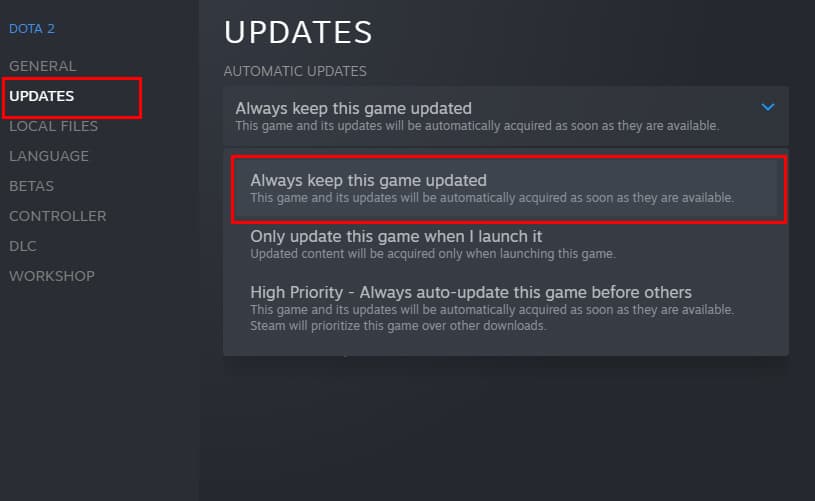
- Under 'Automatic Updates,' you have three options:
- 'Always keep this game updated': Steam will download updates as soon as they are available. This is recommended for frequently played games.
- 'Only update this game when I launch it': Updates will only begin when you try to play the game. Be aware this means you might face a delay before playing.
- 'High Priority - Always keep this game updated': This prioritizes a specific game's updates over others in your download queue.
- Global Steam Settings:
- Open Steam, click 'Steam' in the top-left, then 'Settings.'
- Select 'Downloads.'
- You will see options like 'Allow downloads during gameplay.' Checking this lets updates run in the background.
- 'Only auto-update games between' allows you to set specific hours for updates (e.g., 2:00 AM to 5:00 AM). This is incredibly useful for saving bandwidth during peak internet usage hours or for gamers with data caps, ensuring updates do not interfere with work or family streaming.
Setting up these preferences means you can spend less time managing software and more time enjoying the latest gaming trends, from cozy simulation games to competitive esports titles, without missing a beat.
What Should I Do If My Steam Game Won't Update?
It is incredibly frustrating when a game refuses to update, leaving you locked out of your digital escape. Before you panic, there are several common troubleshooting steps you can take. These issues often stem from corrupted files, network problems, or temporary Steam client glitches.
- Restart Steam and Your PC: The classic IT solution often works. Close Steam completely, restart your computer, and then relaunch Steam. This clears temporary data and can resolve many minor issues.
- Clear Download Cache: Corrupted download cache files can halt updates.
- Go to Steam Settings Downloads.
- Click 'Clear Download Cache.'
- You will need to log back into Steam afterward.
- Change Download Region: Your current download server might be overloaded or experiencing issues.
- Go to Steam Settings Downloads.
- Under 'Download Region,' select a different, nearby server. Sometimes choosing a less obvious, but still close, region works best.
- Verify Integrity of Game Files: This essential tool checks for missing or corrupted game files and automatically redownloads them.
- In your Steam Library, right-click the problematic game.
- Select 'Properties' 'Installed Files' 'Verify integrity of game files.'
- Check Your Internet Connection and Firewall: Ensure your internet connection is stable. Temporarily disable your firewall or antivirus to see if they are blocking Steam's connection. Remember to re-enable them afterward for security.
- Run Steam as Administrator: Sometimes Steam needs elevated permissions to write files to your game directory. Right-click the Steam shortcut and select 'Run as administrator.'
- Reinstall the Game: As a last resort, uninstalling and reinstalling the game ensures a fresh download of all files. Make sure to back up any local save files if they are not cloud-synced.
How to Manage Steam Download Queue and Bandwidth for Updates?
For gamers with limited bandwidth or those sharing a network, managing Steam's download queue and bandwidth usage is crucial. Imagine trying to enjoy a smooth online co-op session only to have a massive update hogging all your internet. Smart management ensures your gameplay remains uninterrupted and your family's streaming does not suffer.
Managing Your Download Queue:
- Access Downloads: In the Steam client, click 'View' then 'Downloads' (or the 'Downloads' tab at the bottom).
- Prioritize Games: You can drag and drop games in the queue to change their download order. The game at the top will download first.
- Start/Pause/Cancel: Use the play/pause icons next to each game to control individual downloads. You can also right-click a game to 'Start Download' immediately, moving it to the top of the active queue.
Controlling Bandwidth Usage:
- Download Restrictions:
- Go to Steam Settings Downloads.
- You can check 'Limit bandwidth to' and set a custom speed limit. This is invaluable if you have a capped internet plan or want to ensure others on your network have enough bandwidth for their activities.
- Utilize 'Only auto-update games between' to schedule updates during off-peak hours (e.g., in the middle of the night) when your network is less utilized. This aligns perfectly with the lifestyle of gamers balancing work and family.
- Disable Downloads During Gameplay:
- In Steam Settings Downloads, uncheck 'Allow downloads during gameplay.' This prevents background updates from causing lag spikes during crucial online matches or immersive single-player sessions.
By actively managing these settings, you maintain control over your internet resources, ensuring a harmonious balance between your gaming passion and your household's connectivity needs. This is especially important for households engaging in mobile gaming and PC/console cross-play, where every megabit counts.
Are There Any Risks or Downsides to Updating Steam Games Immediately?
While staying current with game updates is generally beneficial, there can sometimes be downsides to immediately updating a game the moment a patch drops. It is like being an early adopter of new tech; sometimes, there are unforeseen bugs.
- New Bugs and Instability: Occasionally, a new update can introduce fresh bugs or even break game functionality that was previously working. This is more common with major patches for complex games.
- Performance Regression: A new update might inadvertently cause performance issues, leading to lower frame rates or increased stuttering for some users, especially those with specific hardware configurations.
- Mod Incompatibility: If you rely heavily on community-made mods, a new game update can render them incompatible. Mod developers need time to update their creations, which means you might have to wait to play your modded game.
- Large Download Sizes: Some updates can be massive, consuming significant bandwidth and storage space, which can be an issue for those with limited data plans or slower internet connections. For the average US gamer with about 10 hours a week for gaming, waiting for a multi-GB download to finish can eat into precious playtime.
Recommendation: For critical or highly modded games, consider waiting a day or two after a major update to see community feedback on forums like Reddit or the Steam community hub. For most games, however, immediate updates are usually safe and beneficial.
How Do Updates Impact Game Performance and PC Storage?
Game updates are a double-edged sword when it comes to your PC's performance and storage. On one hand, they bring optimizations; on the other, they demand resources. Understanding this impact helps you manage your system more effectively, a key concern for budget-conscious gamers contemplating hardware upgrades.
Impact on Performance:
- Improvements: Many updates are designed to enhance game performance through better optimization, more efficient resource allocation, and fixes for memory leaks. This often translates to smoother gameplay, higher frame rates, and faster loading times.
- Potential Regressions: Rarely, an update might negatively affect performance due to unforeseen conflicts with specific hardware or software configurations. In such cases, checking community forums for similar issues is a good first step.
Impact on PC Storage:
- Increased Footprint: Game updates almost always increase the total storage size of a game. New content, higher-resolution assets, and even patched files can add gigabytes. This can be a concern for gamers with smaller SSDs or those managing a large library across several drives.
- Temporary Files: During the update process, Steam often creates temporary files that can consume additional space. These are usually cleaned up automatically, but sometimes residual files can remain after an interrupted update.
Storage Management Tips:
- Monitor Game Sizes: Regularly check the size of your installed games in Steam.
- Uninstall Unplayed Games: If you have not touched a game in months, consider uninstalling it to free up space. You can always reinstall it later.
- Invest in Storage: If frequent updates and a large library are constant challenges, consider a budget-friendly SSD upgrade. Modern NVMe SSDs offer incredible speed and are becoming more affordable, a smart investment for gamers balancing performance and budget.
What Are the Best Practices for Game Updates for Busy Gamers?
For the busy gamer, efficiency is king. Maximizing your limited play time means having your games ready and optimized without constant fuss. These best practices are tailored to ensure you stay current with the latest gaming trends and enjoy your hobby without it becoming another chore.
- Leverage Automatic Updates with Restrictions: Set your frequently played games to 'Always keep this game updated' and utilize Steam's 'Only auto-update games between' feature. Schedule updates for late-night hours (e.g., 1:00 AM to 5:00 AM) when you are not actively gaming or using the internet. This ensures games are patched by the time you sit down to play, without impacting your daytime activities.
- Prioritize Your Play: In the Steam Downloads section, drag your most anticipated or frequently played games to the top of the queue. If a game has a major upcoming content drop that you want to jump into immediately, make sure its update is prioritized.
- Regularly Clear Download Cache: Make it a habit to clear your Steam download cache every few months, or whenever you encounter update issues. This simple step can prevent many headaches and speed up future downloads.
- Monitor Community Feedback for Major Patches: For your absolute favorite titles, especially those with extensive modding communities or competitive scenes, briefly check community forums (like Reddit's game-specific subreddits or the official Steam forums) after a major patch drops. A quick scan can alert you to game-breaking bugs or mod compatibility issues, letting you decide whether to hold off on updating for a day or two.
- Keep Drivers Updated: Game updates often work best with the latest GPU drivers. Integrate driver updates into your routine (e.g., once a month) to ensure optimal performance and compatibility. Tools like NVIDIA GeForce Experience or AMD Radeon Software can automate this.
- Manage Storage Actively: As discussed, updates consume space. Periodically review your installed games and uninstall those you no longer play. Consider moving less-frequently played titles to a larger, slower HDD if you have one, reserving your fast SSD for your current favorites.
By implementing these strategies, you are not just updating games; you are optimizing your entire gaming workflow to fit your busy life, allowing you to relax, connect with friends in online lobbies, or build skills in your chosen digital arena.
How to Check When a Steam Game Last Updated?
Knowing when a game last received an update can be useful for various reasons, from troubleshooting to understanding content cycles or verifying mod compatibility. Steam provides a couple of ways to find this information, though it is not always a prominently displayed date.
- Steam Library 'News' Section: For many popular games, developers post update notes and announcements directly to their game's Steam 'News' feed.
- Go to your Steam Library.
- Select the game.
- On the game's main page in your library, look for the 'News' or 'Recent Events' section. This will often show recent patch notes with their publication dates, giving you a good idea of when the last significant update occurred.
- Game Properties 'Updates' Tab: While this tab primarily controls update behavior, sometimes it will provide a 'Last Updated' timestamp for the game. This is not always present for every game but worth checking.
- Right-click on the game in your Library.
- Select 'Properties.'
- Go to the 'Updates' tab.
- SteamDB (Third-Party Tool): For detailed historical update data, a third-party website like SteamDB.info is invaluable. Search for your game on SteamDB, and it will show you a comprehensive changelog and update history, including exact dates and sizes of patches. This is a go-to for advanced users and modders.
Leveraging these methods ensures you are always informed about the state of your favorite titles, helping you plan your gaming sessions or anticipate changes, especially when a new season or event is trending in your social gaming circles.
Can I Roll Back a Game Update on Steam?
The ability to roll back a game update on Steam is a feature many gamers wish they had, especially when a new patch introduces unwanted bugs or breaks beloved mods. Unfortunately, Steam does not offer a native, official way to easily revert to a previous version of a game for most titles.
Here's why and what limited options might exist:
- Developer Control: Game developers, not Steam, control which versions of their game are available to players. Once an update is pushed, the previous version is typically overwritten on Steam's servers.
- Betas/Legacy Branches: Some developers, for specific games (often older or highly moddable ones), may offer official 'beta' branches in the game's properties that are actually older versions of the game, or specific 'legacy' builds.
- Right-click the game in your Library.
- Select 'Properties.'
- Go to the 'Betas' tab.
- Look for a dropdown menu that might list older versions or specific builds. If available, selecting one will download that older version. This is rare for actively developed games.
- Manual Backups (Advanced): The only surefire way to revert to an older version is if you, the user, manually backed up the game's entire installation folder *before* an update was applied. Then, you would uninstall the current version and copy your backed-up older version into the Steamapps common folder. This requires foresight and significant storage space.
- Community Patches/Downgraders: For certain very popular games, the community might create unofficial 'downgrader' tools or provide access to older game files, often found on modding websites. These are unofficial and come with inherent risks.
Given the general lack of official rollback support, it reinforces the importance of monitoring community feedback on new updates, especially for games where compatibility with mods or specific versions is critical to your enjoyment.
Keeping your Steam games updated should be a seamless part of your gaming routine, not a chore. By understanding Steam's update mechanisms, customizing your settings, and troubleshooting common issues proactively, you ensure that every gaming session is as smooth and enjoyable as possible. Whether you are balancing work and family or just looking to unwind with friends, efficient game management means more fun and less frustration. Remember, staying current with updates keeps you connected to the latest content, enhances performance, and protects your games from annoying bugs. So, take control of your Steam library today and make every moment count. What is your biggest gaming challenge when it comes to keeping your library up-to-date? Comment below and share your tips!
FAQ Section
What is Steam's default update behavior? Steam typically defaults to automatically updating all installed games whenever an update is released. These updates occur in the background, or when you launch a game if you have not played it in a while.
How can I stop a Steam game from updating? To prevent a specific game from updating, go to its 'Properties' in your Steam Library, then 'Updates,' and select 'Only update this game when I launch it.' Be aware that you will face a delay before playing if an update is pending.
Why are my Steam updates so slow? Slow updates can be due to a congested download region, limited internet bandwidth, interference from firewalls/antiviruses, or corrupted download cache files. Try changing your download server or clearing your cache.
Does updating a game consume internet data? Yes, every update downloads new files, which consumes internet data. The size of the update varies from megabytes to many gigabytes, impacting users with data caps. You can limit bandwidth in Steam settings.
What is a 'patch' in gaming updates? A 'patch' is a small piece of software designed to fix bugs, improve performance, or add minor features to an existing game. It is a common type of game update, often much smaller than a full game download.
Should I update game drivers alongside Steam games? Absolutely. Keeping your graphics card (GPU) drivers updated is crucial for optimal game performance and compatibility with the latest game updates. Outdated drivers can cause crashes, visual glitches, or poor frame rates. It is a best practice for a smooth gaming experience.
Crucial for performance and new content access. Automatic updates simplify maintenance. Manual options for control. Troubleshooting common update errors. Bandwidth and storage management tips. Optimize gaming for busy lifestyles. Stay current with gaming trends.
35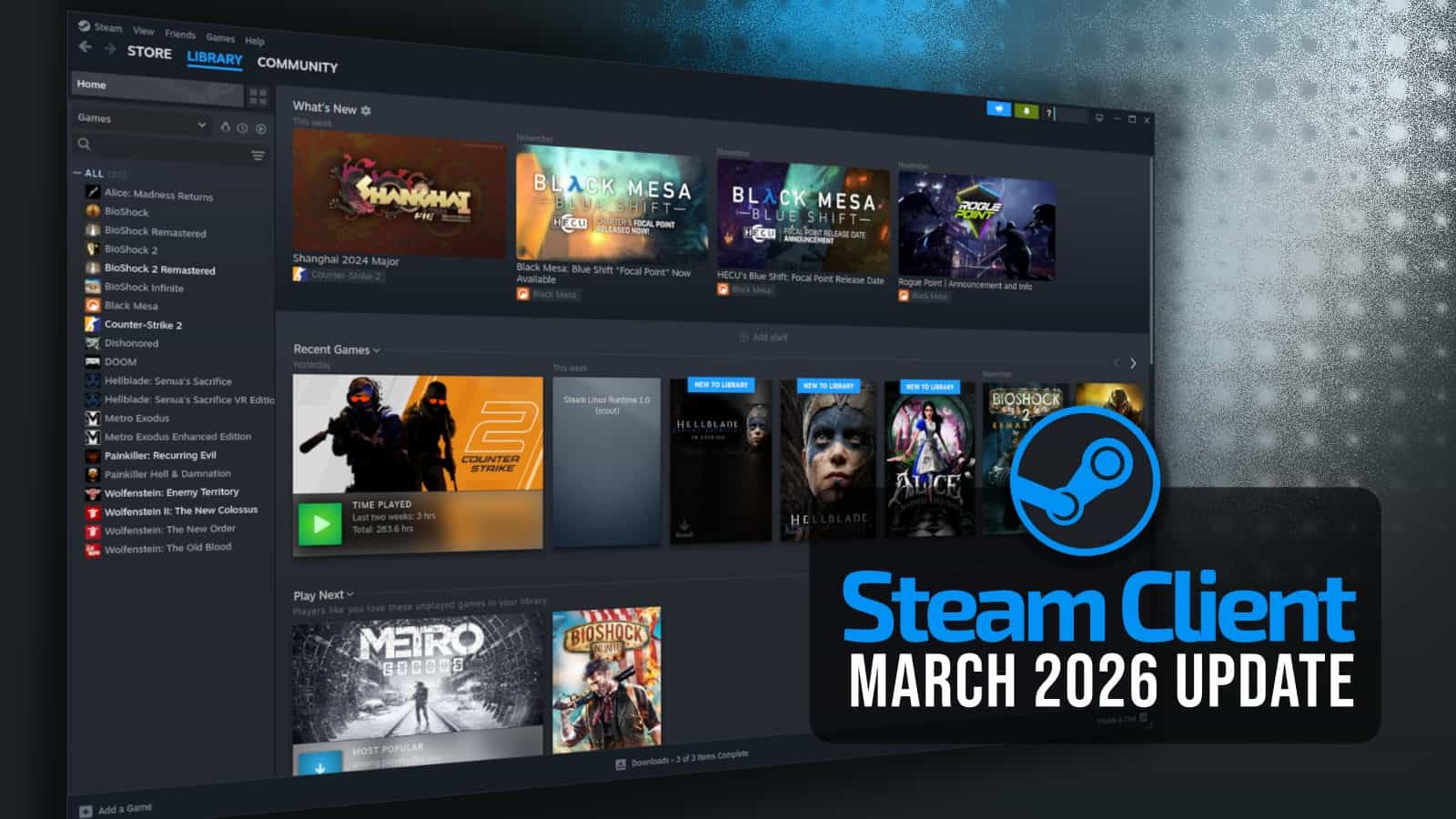
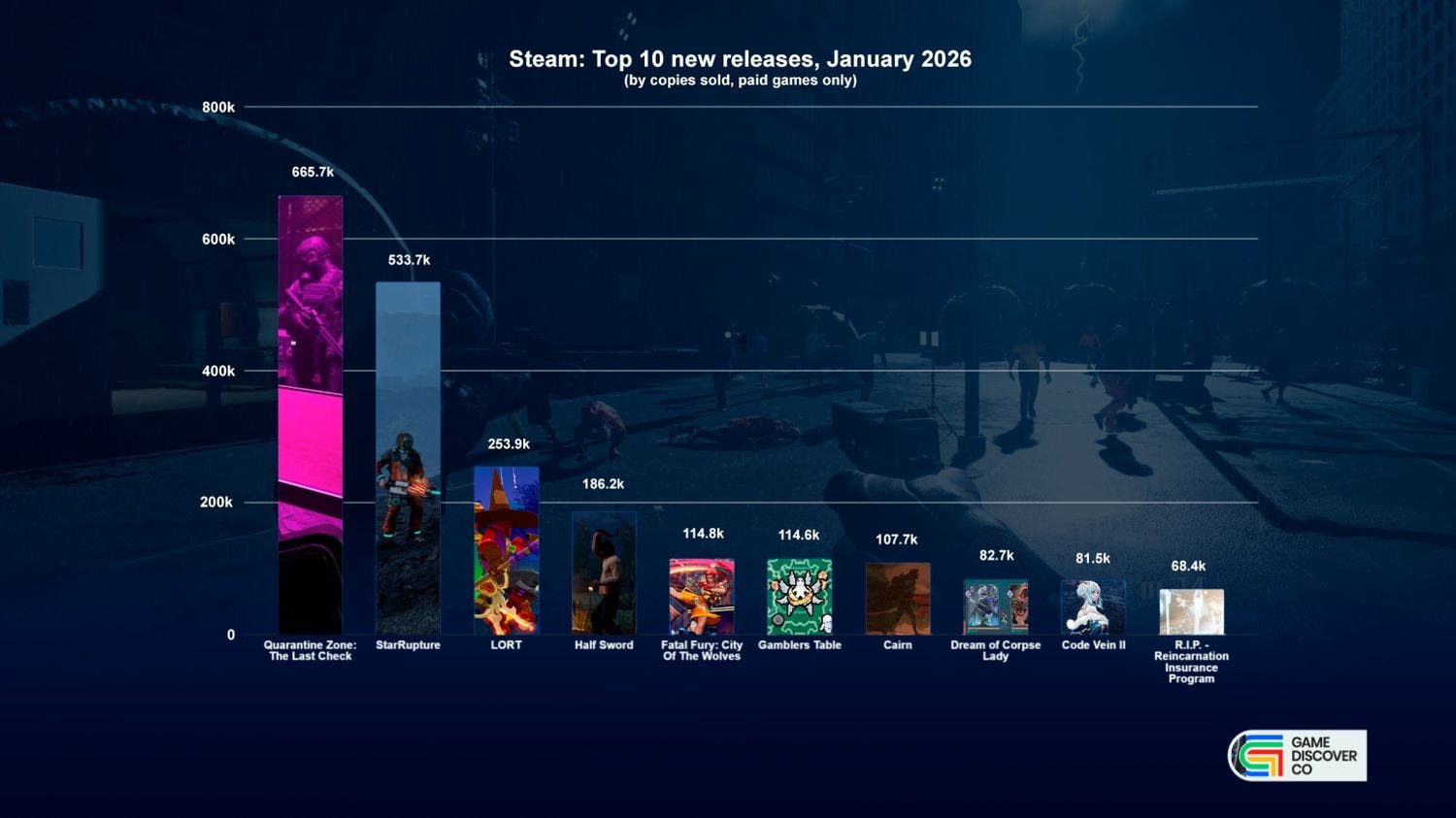
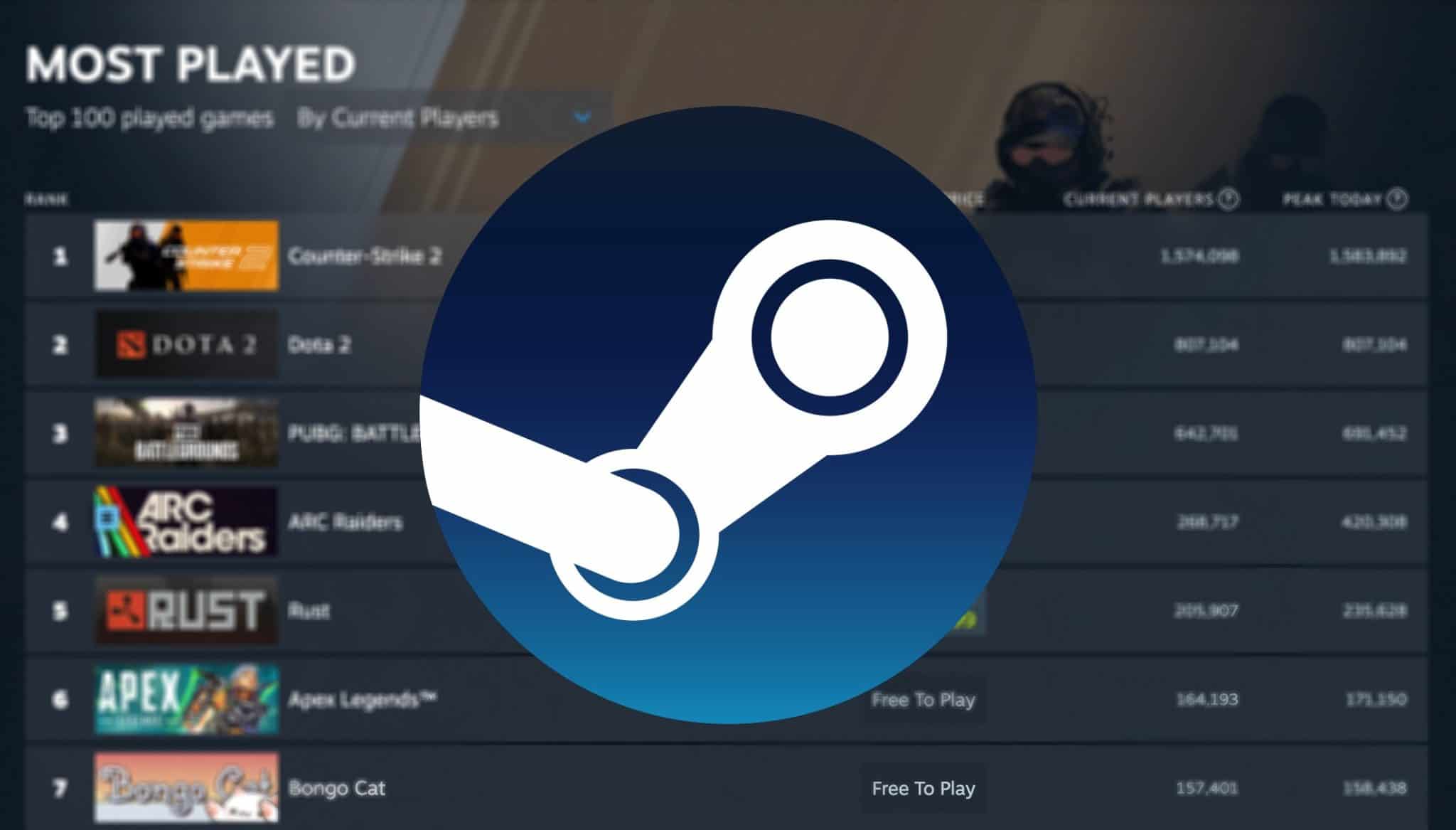

Steam March 2026 Client Update Adds Hardware Specs To User Reviews Steam Client Mar 2026 . Steam Sales 2026 Calendar Full Dates Best CD Key Deals AllKeyShop Com All Steam Events 2026. January 2026 S Top Selling New Steam Games Revealed 08418405 04a2 47eb B48b 1500x843 . The Most Played Games On Steam For 2026 So Far Cheat Code Central Most Played Games Steam 2026 2048x1167 . 10 Best Games On Steam 2026 Ultimate Single Player Guide 10 Best Steam Games 2026 Xmodhub



Best Co Op Survival Horror Games On Steam 2026 Update LRDev Games 1.Best RPG Games On Steam Complete Guide.webp. How To Sell Indie Games Without Steam Complete Guide 2026 Fungies Io Infographic How To Sell Indie Games Without Steam Comparison . The Top 2026 Games By Steam Wishlists By Rhys Elliott Fc2aa87f 2277 4294 9e7b 1920x1080 . Game Game Viral 2026 Tren PC PS5 Steam Dan Android Game Game Game Viral 2026 Tren Pc Ps5 Steam Dan An Featured 1280x720 . What Is New In Steam S 2026 Update UI Refresh SteamOS Changes And Steam




Steam Sales 2026 Here S The Schedule For The First Half Of The Year 1824cr953 . Best Co Op Horror Games On Steam 2026 Update LRDev Games 1.Best Co Op Horror Games On Steam.webp. The Steam Hardware Family Expands Valve Announces Frame Machine And Game Update Blog Steam . When Is The Next Steam Sale May 2026 Update Countdown. New Steam Features For 2026 Steam Features 2026 What S New Banner.webp




Steam Next Fest February 2026 The 22 Best Game Demos The Best Steam Next Fest Demos 2026 The Punished Backlog Order 2 300x162 . Steam Sale Dates 2026 When Is The Next Steam Sale. HOW TO UPDATE GAMES ON STEAM 2026 FULL GUIDE YouTube . Steam Steam Deck Review A Game Console For The Gamer .



Steam Client September 2026 Update Brings In Game Overlay Steam Banner Image 1536x864 . How To Update Steam Turn On Auto Update On Steam . New PC Games In January 2026 12 Releases That Are Coming To Steam 1824cr953 . Steam Next Fest 2026 And Beyond All The Dates Details And Everything. All 2026 Steam Fest Dates You Should Watch Out For Gamer Org All 2026 Steam Fest Dates You Should Watch Out For



Daftar Game Terbaik Di Steam Spring Sale 2026 Pesta Diskon Yang Tak Steam Team Logo In The Foreground With Various Images From Games In The Background 8cd1e886ab 1024x576 . Steam Drops Free Download For Gorgeous New 2026 Game Resize. Kalender Lengkap Event Steam 2026 Diskon Besar Dan Festival Game Favorit Steam Events 2 Q82 W2560 H 74ce0.webp. Steam Adds 7 Free Games Epic Store Updates For Feb 2026 Steam Adds 7 New Free Games Epic Store Updates For February 2026 Techjuice 219677 . Steam Deck Announces Exciting New Video Game Console Set Steam Deck Announces Exciting New Video Game Console Set For 2026 Launch Gaming News Update



Do Steam Games Need Java To Run On Your PC Steam Store New Look 2025 . Nuova Steam Machine 2026 Giochi Compatibili E Data Di Nuova Steam Machine 2026.webp. Steam Next Fest February 2026 Edition Jumping Into 2026 MixCollage 23 Feb 2026 08 57 AM 2571 . Jadwal Lengkap Steam Sale 2026 Catat Tanggal Diskon Game Favoritmu Game Di Steam . Upcoming Games 2026 Full Video Game Release Calendar Beebom 2026 Games Release Schedule